
Why a Clean Reception Area Shapes Lasting First Impressions


A visitor starts forming an opinion before anyone says hello. The floor, the chairs, the smell of the room, the counter surface, the bin near the door, and the way information is displayed all send a message within seconds.
That message can be reassuring or unsettling.
A reception area is more than a place to wait. It is the first physical proof of how an organisation works. If the space feels clean, calm, and cared for, visitors are more likely to expect the same from the people and services behind it. If it feels neglected, they may start looking for other signs that standards are slipping.
Cleanliness does not need to be luxurious. It needs to be consistent, visible, and thoughtful. A modest reception area can make a stronger impression than a high-end space that looks tired or poorly maintained.
Visitors notice cleanliness before they notice design
Most people cannot name the paint colour on the wall after leaving a reception area. They may not remember the exact layout or the shape of the seating. But they will remember if the space felt fresh, dusty, cramped, sticky, or unpleasant.
Cleanliness is one of the fastest cues the brain reads. It helps people judge whether a place is organised, safe, and respectful. A visitor may not consciously think, “This skirting board is dusty, so I have doubts about this organisation.” Still, small details add up.
Common early signals include:
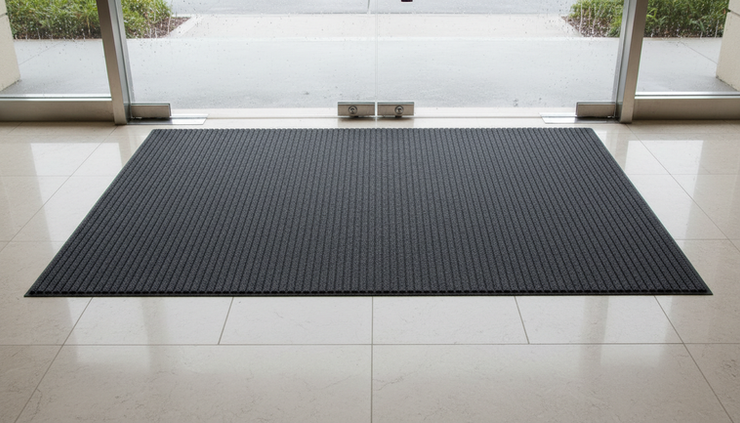
A clean entrance mat that does not look soaked or worn through
Clear glass on doors and internal panels
Floors free from grit, litter, stains, and wet patches
Chairs without crumbs, marks, or old leaflets tucked down the sides
A counter that looks recently wiped
Bins that are not overflowing
A fresh, neutral smell rather than heavy air freshener
These details matter because reception areas carry a lot of footfall. They collect rain, mud, dust, coffee spills, fingerprints, and paper clutter throughout the day. A space that is clean at 9 am can look rough by lunchtime if nobody checks it.
That is why a reception area needs more than a once-a-day clean. It needs a visible standard that holds up during normal use.
A clean reception area builds trust without saying a word
Trust is rarely built by one grand gesture. It is built through repeated cues that show care and reliability.
When visitors walk into a clean reception area, they see evidence that someone is paying attention. That matters in almost every setting, from healthcare and childcare to hospitality, education, trades, public services, and private businesses.

The reception area sets expectations for the rest of the experience
First impressions do not stay at the front door. They colour everything that follows.
If the reception area is calm and clean, a visitor is more likely to interpret small delays or normal processes with patience. If the first impression is poor, the same visitor may become more sensitive to every inconvenience.
For example, imagine two people waiting ten minutes for an appointment.
In the first space, the chairs are tidy, the floor is clean, the air feels fresh, and the person at the front desk has a clear surface to work from. The wait may still be annoying, but the setting suggests the delay is part of a managed system.
In the second space, there are fingerprints on the glass, a used cup on a side table, dusty corners, and a bin that should have been emptied hours ago. The same delay now feels like part of a wider problem.
The difference is not only aesthetic. A neglected reception area can make people wonder what else is being missed.
That includes questions like:
Are appointments handled carefully?
Are records or requests managed properly?
Are hygiene standards the same in less visible rooms?
Will staff respond quickly if something goes wrong?
Does this place actually care about detail?
A clean reception area helps prevent doubt from forming early.
Cleanliness supports staff as much as visitors
Reception spaces are not only for visitors. Staff spend long hours working near these areas, often under pressure. They answer questions, manage arrivals, handle calls, deal with unexpected issues, and keep the day moving.
A messy or dirty reception area makes that work harder.
Clutter can slow people down. Dirty surfaces can feel unpleasant to use. Overflowing bins and dusty corners can make staff feel less proud of their workplace. When the public-facing area looks neglected, staff may feel they are being asked to represent standards that the space itself does not support.
By contrast, a clean reception area gives staff a better base. It helps them start the day with order. It reduces distractions. It makes it easier to find forms, direct visitors, and respond calmly.
It also affects behaviour. People tend to treat clean spaces with more care. A tidy waiting area encourages visitors to dispose of rubbish properly, keep belongings contained, and respect shared surfaces. A neglected area can invite more neglect.
This makes cleanliness self-reinforcing. The better the baseline, the easier it is to maintain.
The details that make the biggest difference
Not every cleaning task has the same visual impact. Some areas shape first impressions more than others because visitors see or touch them almost immediately.
Entrance glass and doors
Glass shows fingerprints, smudges, rain marks, and dust quickly. Since doors are often the first thing a person touches, they need regular attention throughout the day.
Door handles, push plates, and access buttons also matter. They are small, but visitors notice when they feel sticky or look marked.
Floors and entrance mats
Irish weather can make entrance areas difficult to manage, especially during wet months. Rain, leaves, grit, and mud travel in on shoes, bags, wheels, and pushchairs.
Good mats help, but only if they are cleaned and replaced when worn. A saturated mat can become part of the problem. Floors should look dry, safe, and well cared for, with no loose debris in corners.
Seating
People sit, wait, place bags down, feed children, read papers, use phones, and occasionally spill drinks. Seating needs regular checks, not just occasional deep cleaning.
Fabric chairs can hold dust and odours. Plastic, vinyl, or leather-look surfaces may be easier to wipe, but they show marks clearly. Chair legs and the floor beneath seating should not be ignored.
Reception counters and ledges
Counters collect fingerprints, forms, pens, cards, receipts, packaging, and personal items. They can look untidy quickly. Keeping this area clear sends a strong signal that the reception process is organised.
A clean counter also makes conversations easier. People feel more comfortable placing documents or signing forms on a surface that looks hygienic.
Bins and recycling points
A bin can damage the whole impression of a reception area if it is full, stained, poorly placed, or giving off an odour. Bins should be easy to use but discreet. They should be emptied before they reach the point where visitors notice them.
Toilets near reception
If toilets are close to reception, they become part of the first impression. A visitor who arrives, checks in, and uses the toilet before an appointment will connect that space with the rest of the organisation.
Clean washrooms, stocked soap, working hand dryers or towels, and dry floors all support the same message as the reception area.
Scent matters, but it should not announce itself
People often remember how a place smells. A clean reception area should smell neutral, fresh, and well ventilated. It should not smell strongly of bleach, damp carpets, food, bins, or heavy fragrance.
The best approach is usually simple:
Remove the source of bad smells rather than masking them
Empty bins regularly
Clean soft furnishings before odours settle in
Improve airflow where possible
Avoid leaving cleaning products open or overused
Deal quickly with damp mats, spills, and food waste
A clean smell is rarely dramatic. It simply lets people relax.

How to keep reception standards consistent
Consistency comes from routine, not good intentions. A reception area should not depend on one person noticing everything.
Start with a simple checklist. Keep it short enough that people will actually use it. Include the areas that visitors notice first, such as entrance glass, floors, seating, counters, bins, and toilets if nearby.
Set clear times for checks. A morning clean is useful, but it will not cover a full day of arrivals. Midday and late-afternoon checks can prevent small issues from building up.
Define what “clean” means. Vague standards lead to mixed results. “Check the entrance” is less useful than “remove litter, check mat is dry, wipe visible marks on glass, and report floor hazards.”
Give staff a way to report issues quickly. If a chair is stained, a toilet is out of supplies, or an entrance mat is soaked, the right person should know before visitors start commenting.
Plan for weather and busy periods. Reception areas need extra attention during rain, school holidays, events, flu season, open days, and peak appointment hours. A cleaning plan that works on a quiet Tuesday may not hold up during a full waiting room.
Keep supplies close, but out of sight. Staff should be able to deal with minor spills quickly without turning the reception area into a storage space.
Most of all, review the area from a visitor’s point of view. Walk in from outside, pause at the entrance, look at the seating, approach the counter, and notice what stands out. This simple exercise often reveals problems that regular staff stop seeing.
A clean reception area is a daily promise
A reception area does not need marble floors, designer furniture, or expensive fittings to make a strong impression. It needs care that people can feel as soon as they enter. Effective Cleaning inclusides making sure floors are clean, clear surfaces, fresh air, tidy seating, and well-managed touchpoints all tell visitors the same thing: this place pays attention. That impression lasts because it shapes trust early. Before a form is signed, before a question is answered, before a service begins, the space has already spoken. A clean reception area is a daily promise that standards matter. When that promise is kept, visitors notice, even if they do not say it out loud.


Comments