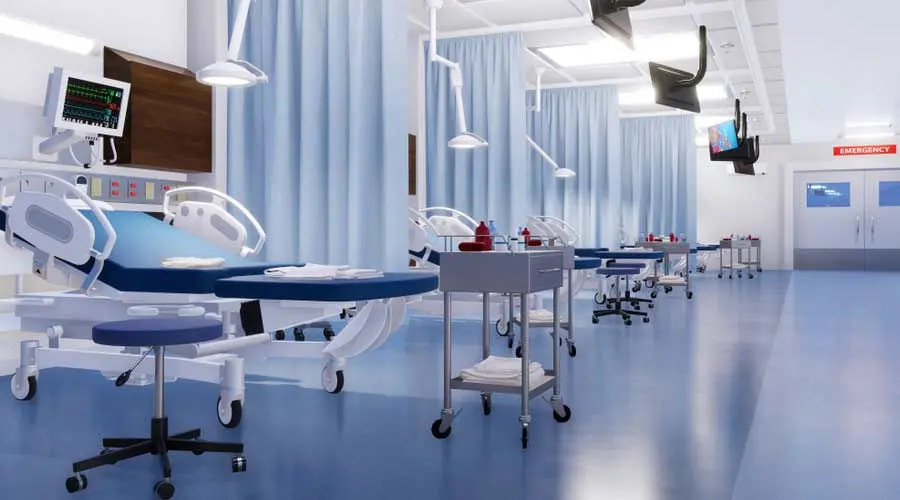
Maintaining high cleaning standards in healthcare facilities is essential for patient safety, staff wellbeing, and overall healthcare quality. In hospitals, clinics, care homes, and medical centres, cleanliness is far more than appearance. It directly affects infection control, recovery rates, and public trust.
Healthcare environments are exposed to germs, bacteria, and viruses every day. Because of this, regular cleaning and sanitisation are critical for reducing risks and creating safer spaces for patients, visitors, and medical staff alike.
At Effective Cleaning Services, our staff is trained to unsure professional cleaning.
Professional healthcare cleaning services help maintain hygienic and compliant medical environments throughout Cork and surrounding areas. In addition, clients can contact the team directly through the website and WhatsApp for fast and reliable support.
Why High Cleaning Standards Matter in Healthcare
Healthcare facilities must meet strict hygiene standards because patients are often vulnerable to illness and infection.
Without proper cleaning, bacteria and viruses can spread quickly through shared spaces and high-touch surfaces. This increases the risk of healthcare-associated infections and creates unsafe conditions for both patients and staff.
Furthermore, a clean healthcare environment improves patient confidence and comfort. People naturally feel safer and more relaxed in facilities that are clean, organised, and well maintained.
In addition, employees working in hygienic conditions often experience better morale and productivity.
Common High-Touch Areas That Require Frequent Cleaning
Certain surfaces in healthcare settings require more regular attention because they are touched constantly throughout the day.
These include:
- Door handles
- Reception desks
- Waiting room chairs
- Bed rails
- Light switches
- Medical equipment
- Lift buttons
- Bathroom surfaces
- Phones and keyboards
Because germs can survive on surfaces for many hours, regular sanitisation is essential.
Establishing an Effective Healthcare Cleaning Routine
A strong cleaning routine helps healthcare facilities maintain safe and hygienic conditions consistently.
Daily Cleaning Tasks
Daily cleaning should focus on high-traffic and high-touch areas. These spaces collect germs quickly and must be disinfected frequently.
Important daily tasks include:
- Sanitising door handles and switches
- Cleaning patient rooms
- Disinfecting bathrooms
- Vacuuming and mopping floors
- Emptying bins safely
- Cleaning reception and waiting areas
As a result, daily maintenance reduces the spread of harmful bacteria and viruses.
Deep Cleaning Procedures
In addition to routine cleaning, healthcare facilities should schedule regular deep cleaning services.
Deep cleaning focuses on hidden areas and surfaces that are often overlooked during everyday cleaning.
Examples include:
- Behind medical equipment
- Air vents and ventilation systems
- Operating rooms
- Intensive care areas
- Storage rooms
- Floors and wall edges
Therefore, deep cleaning helps maintain long-term hygiene standards and improves overall cleanliness.
The Importance of Proper Disinfection
Cleaning removes dirt and debris, but disinfecting destroys harmful microorganisms.
Because of this, healthcare facilities should use approved disinfectants that are effective against bacteria and viruses.
In addition, cleaning teams must follow proper product instructions, including contact times and safe application methods.
Using the correct products correctly ensures surfaces are fully sanitised and compliant with hygiene standards.
Training Cleaning Staff Properly
Professional healthcare cleaning requires specialised knowledge and attention to detail.
For this reason, cleaning staff should receive regular training in:
- Infection prevention
- Cross-contamination control
- Safe chemical handling
- PPE usage
- Waste disposal procedures
- Correct disinfection techniques
Furthermore, well-trained cleaners work more efficiently and help healthcare facilities maintain consistent standards.
Waste Management and Hygiene Compliance
Healthcare environments generate different types of waste, including potentially hazardous materials.
Proper waste management is essential for maintaining safety and meeting regulatory requirements.
Important practices include:
- Separating general and medical waste
- Using appropriate disposal containers
- Removing waste regularly
- Following healthcare regulations carefully
As a result, facilities reduce contamination risks and improve workplace safety.
How Technology Improves Healthcare Cleaning
Modern technology now plays an important role in healthcare sanitisation.
Many facilities use advanced cleaning tools to improve efficiency and consistency.
Examples include:
- UV-C light disinfection systems
- Electrostatic spraying technology
- HEPA-filter vacuum cleaners
- Automated floor cleaning machines
These technologies help reduce bacteria levels and support traditional cleaning methods effectively.
However, technology should complement trained cleaning teams rather than replace them completely.
The Benefits of Professional Healthcare Cleaning Services
Professional cleaning companies understand the strict standards required in healthcare settings.
At Effective Cleaning Services, experienced cleaners provide tailored healthcare cleaning solutions designed to support hygiene, safety, and compliance.
Improved Infection Control
Regular sanitisation reduces the spread of bacteria and viruses across healthcare facilities.
Better Patient Experience
Patients feel more comfortable and confident in clean, hygienic environments.
Support for Healthcare Staff
A cleaner workplace creates safer and more productive conditions for doctors, nurses, and support staff.
Consistent Cleaning Standards
Professional cleaners follow structured cleaning schedules and protocols to maintain high-quality results.
Encouraging a Culture of Cleanliness
Maintaining high cleaning standards is everyone’s responsibility.
Healthcare staff, visitors, and patients can all help by following good hygiene practices such as:
- Washing hands regularly
- Using sanitiser stations
- Disposing of waste properly
- Reporting spills or hygiene concerns quickly
Because of this shared effort, healthcare facilities become safer and healthier for everyone.
Why Regular Cleaning Audits Matter
Regular inspections and audits help ensure cleaning procedures remain effective.
Healthcare facilities should monitor:
- Cleaning schedules
- Staff performance
- Product usage
- Hygiene compliance
- Infection control measures
In addition, audits help identify areas needing improvement before problems become serious.
Final Thoughts on Healthcare Cleaning Standards
Maintaining high cleaning standards in healthcare facilities is essential for protecting patients, staff, and visitors.
Through proper sanitisation, trained cleaning staff, structured cleaning routines, and professional support, healthcare environments become safer and more comfortable for everyone.
In addition, consistent healthcare cleaning helps reduce infections, improve patient confidence, and support overall wellbeing.
If your healthcare facility needs reliable professional cleaning support, visit: Effective Cleaning Services
Explore healthcare cleaning solutions, request information, and contact the team directly through WhatsApp for fast and professional assistance.