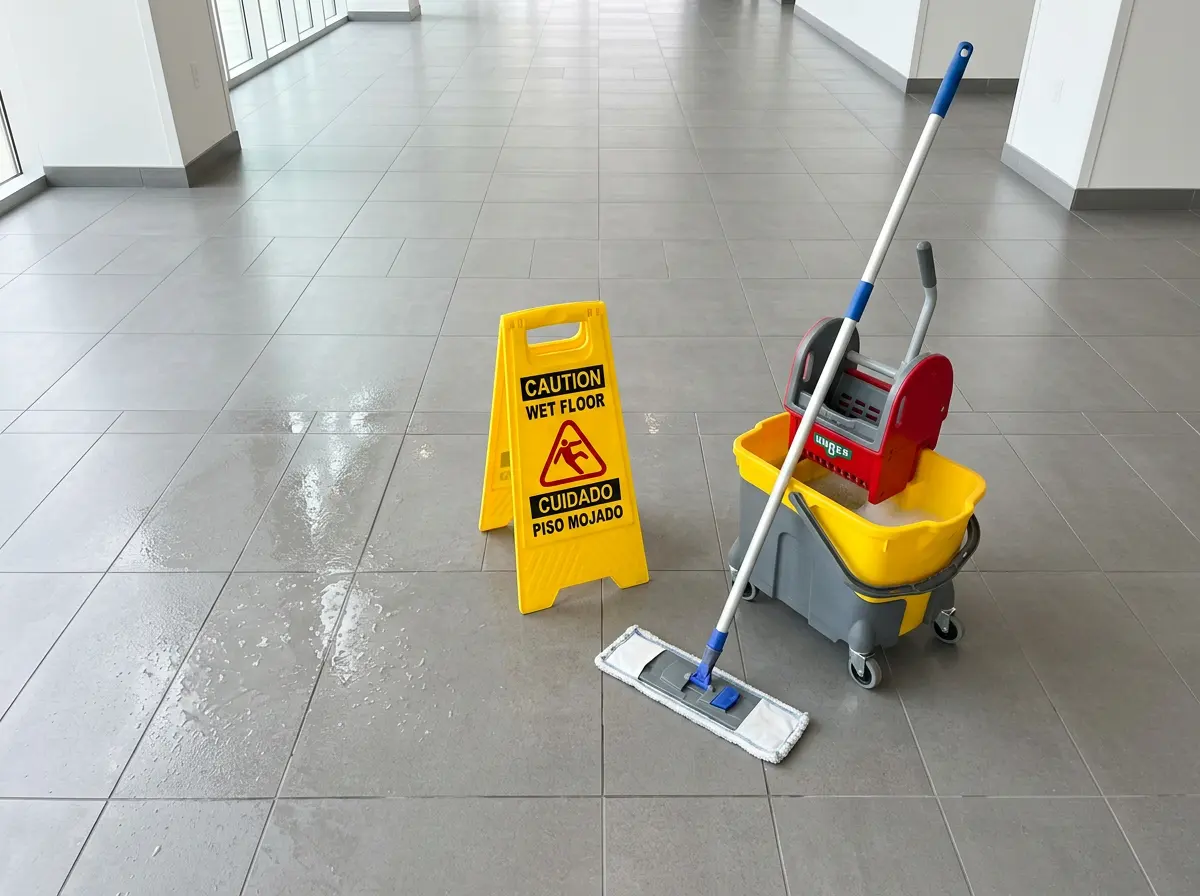

Peak trading periods can lift a store’s revenue, but they can also expose every weak point at once. Shelves empty faster, queues grow longer, delivery windows tighten, and small stock errors turn into lost sales. The stores that handle busy seasons well rarely do so by chance. They prepare early, test the basics, and give staff clear plans before the rush begins.
Whether the season is Christmas, Black Friday, back-to-school, Valentine’s Day, Mother’s Day, a bank holiday weekend, or a local event, the same principle applies: build capacity before demand arrives.
Start planning before the busy period feels close
The best time to prepare for a peak season is not the week before it starts. By then, suppliers are stretched, seasonal staff are harder to find, and prices can be less favourable. A useful planning window depends on the size of the store, but many retailers benefit from starting at least two to three months ahead for major periods like Christmas.
Begin by choosing the dates that matter most. Peak shopping does not happen on one day. It often comes in waves:
- Early shoppers looking for choice
- Last-minute buyers looking for speed
- Gift card and exchange traffic after the main event
- Returns, refunds, and follow-up purchases
Create a simple calendar that marks:
- Order deadlines from suppliers
- Delivery cut-off dates
- Staff rota changes
- Window display changes
- Sale or promotion dates
- Local events that could affect footfall
- Public holidays and school breaks
This calendar should be visible to managers and staff. A shared plan reduces last-minute questions and helps everyone understand why certain jobs need to happen early.
For online and physical stores, include delivery deadlines too. If customers need items before Christmas, for example, make the final order date clear on the website, at the till, and in confirmation emails. Clear expectations reduce complaints later.
Use last year’s sales data, but do not copy it blindly
Past sales are one of the strongest guides to future demand. Review what sold well, what moved slowly, and when demand started to rise. Look beyond total sales. A product that sold out early may have had more potential than the numbers show.
Check:
- Best-selling products by week
- Items that sold out before the peak
- Products with high return rates
- Slow-moving stock left after the season
- Average basket value
- Busy times of day
- Payment or till issues
- Delivery delays or refund patterns
If you run a physical store, staff feedback is just as useful as a sales report. Ask what customers requested but could not find. Ask which displays caused confusion. Ask where queues formed and which questions came up repeatedly.
Prepare stock with speed and accuracy in mind
Peak shopping seasons are not only about having enough stock. They are about finding, picking, packing, and replacing stock quickly.
Run a stock count before the rush starts. Fix errors in the system, check damaged goods, and remove products that are not ready to sell. A product listed as available but missing from the shelf creates extra work and frustration.
For best-selling items, set clear reorder points. Do not wait until the last unit sells before placing a new order. If supplier lead times are longer during busy periods, build that into the plan.
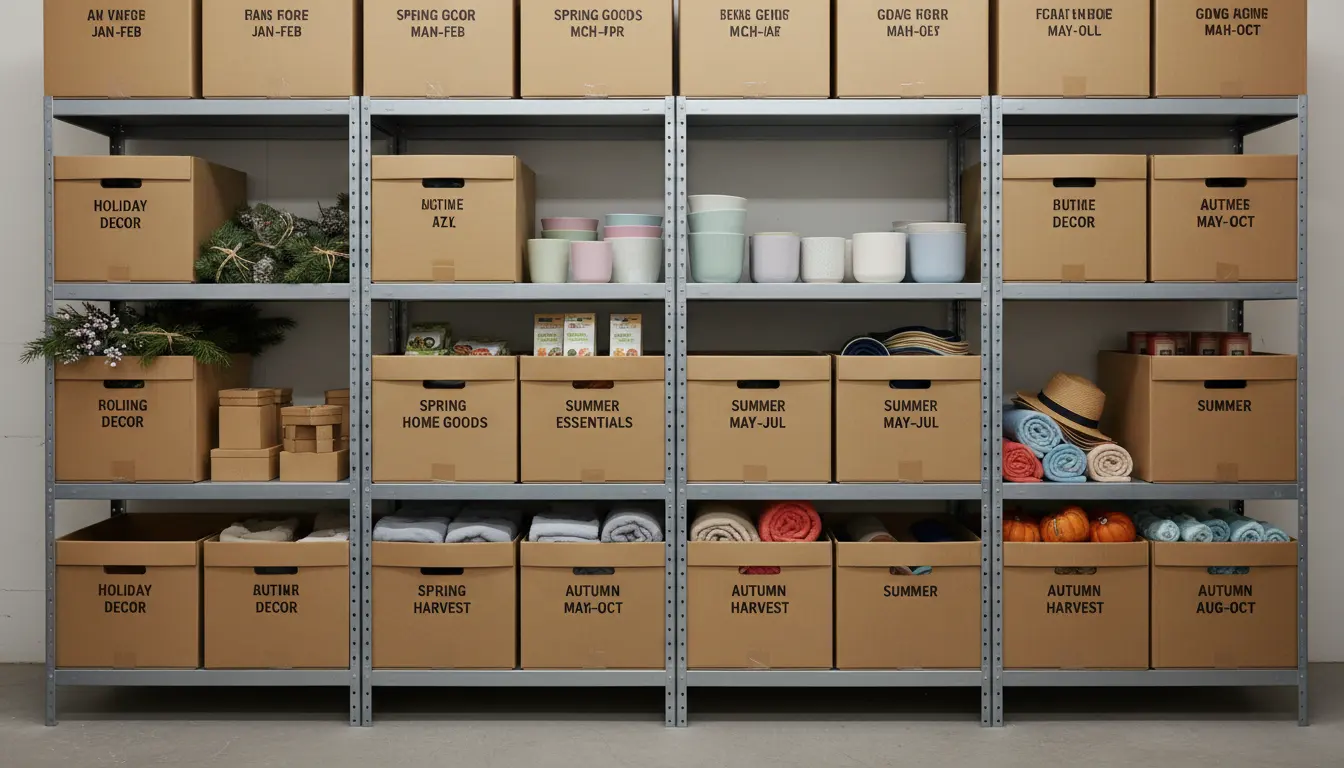
Think carefully about where items are stored. Fast-moving products should be easy to reach. Seasonal stock should be labelled clearly. If staff have to search through unmarked boxes during a busy Saturday, the system will slow down.
Good stock preparation includes:
- Clear labels on storage boxes
- Separate areas for click-and-collect orders
- A simple system for damaged or returned goods
- Daily checks on best sellers
- Backup stock close to the shop floor
- Updated stock records at the end of each day
Make the customer journey easier to follow
During quiet periods, customers may forgive a confusing layout. During peak seasons, they often want to find what they need quickly. A clear store layout can increase sales and reduce pressure on staff.
Walk through the store as if arriving for the first time. Ask simple questions:
- Can customers see the key seasonal range quickly?
- Are prices easy to read?
- Are popular gift items grouped together?
- Is there enough space for queues?
- Are impulse items placed near the till without blocking movement?
- Can customers collect online orders without joining the main browsing flow?
Displays should help customers make decisions. For example, a gift table can be grouped by recipient, price range, or occasion. A clothing store might group by size and category. A food shop might set up a ready-to-gift area with hampers, chocolates, and drinks.
Keep signage short and direct. Customers do not want to read long explanations while the shop is crowded. Use phrases such as:
- Gifts under €25
- Ready to wrap
- Local favourites
- Last order date
- Click and collect here
- Returns and exchanges
If your store has an online shop, apply the same thinking. Seasonal categories should be easy to find from the homepage. Delivery information should be clear before checkout. Product pages should show availability, sizing, and return terms in plain language.
Test tills, payments, and order systems before the rush
A payment problem on a quiet Tuesday is annoying. The same problem on the last Saturday before Christmas can be costly. Test the systems that handle money, orders, customer details, and stock movement before the season builds.
Check:
- Card terminals
- Receipt printers
- Barcode scanners
- Gift card systems
- Discount codes
- Online checkout
- Click-and-collect notifications
- Refund and exchange process
- Stock updates between online and in-store systems
Run practice transactions if needed. Test a sale, refund, exchange, gift card purchase, and online collection. If staff use discount codes, make sure they know when and how to apply them.
Also review your payment options. Customers expect card and contactless payments, and many prefer digital wallets. Cash may still matter depending on the customer base. Make sure cash floats, receipt rolls, and backup procedures are in place.
Train staff for the common pressure points
Seasonal preparation is not only stock and systems. Staff carry much of the customer experience during the busiest weeks. A short, practical training session can prevent many issues.
Focus on the situations most likely to happen:
- A product is out of stock
- A customer wants a delivery guarantee
- A queue is growing
- A return falls outside the normal terms
- A click-and-collect order is missing
- A customer needs a gift suggestion
- A payment fails
- A customer is upset or impatient
Give staff clear answers, not vague guidance. If a product is sold out, what alternatives should they suggest? If delivery can no longer be guaranteed before a date, what should they say? If a refund needs manager approval, who handles it?
Seasonal staff need extra support. They may not know the product range or systems well, but they can still be highly useful when tasks are clear. Assign them jobs such as queue greeting, floor tidying, stock refilling, basket support, or packaging.
Create simple reference sheets for:
- Best-selling products
- Popular gift ideas
- Current offers
- Store policies
- Delivery deadlines
- Manager contact points

Protect service quality when queues grow
A queue is not always a problem. A slow, unclear, or unmanaged queue is. During peak trading, customers want signs that the store is in control.
Start by deciding where queues should form. Use barriers, floor markers, or simple signs if needed. Keep browsing areas clear so queueing customers do not block shelves.
Then reduce the reasons queues slow down. Common causes include:
- Unpriced items
- Complicated discounts
- Missing barcodes
- Gift wrapping at the main till
- Staff needing approval too often
- Customers asking common policy questions at payment
Small changes can help. Keep a price list at the till for products that often lose tags. Move gift wrapping to a separate area if space allows. Put return terms and delivery deadlines where customers can read them before reaching the till.
For online order collection, create a separate process if volume is high. A single queue for purchases, returns, and collections can frustrate everyone. Even a small sign directing collection customers to one side can make the experience smoother.
Set clear policies before customers ask
Peak seasons bring more questions about returns, exchanges, delivery, gift receipts, deposits, holds, and special orders. If policies are unclear, staff make decisions under pressure. That can lead to inconsistent service.
Review policies before the busy period and write them in plain English. Decide:
- Whether seasonal returns have an extended window
- Whether sale items can be exchanged
- Whether gift receipts are available
- How long click-and-collect orders are held
- Whether deposits are refundable
- What happens if a special order arrives late
- What delivery dates can and cannot be promised
Once policies are set, make them easy to find. Put key points on receipts, near the till, on your website, and in order confirmation messages.
The goal is not to be overly strict. The goal is to be fair and consistent. Customers are more likely to accept a policy when it is visible before purchase and explained clearly.
Build a practical promotion plan
Discounts can bring traffic, but they can also shrink margins and create operational stress. Plan offers that support the store rather than overwhelm it.
A good promotion should answer three questions:
- What product or category should sell more?
- What stock level can support the offer?
- What will happen if demand is higher than expected?
Avoid running too many offers at once. Staff need to explain them, customers need to understand them, and systems need to apply them properly. Simple offers usually work best during busy periods.
Examples include:
- A clear bundle on related products
- A gift-with-purchase while stock lasts
- A limited seasonal range
- A spend threshold for free local delivery
- A small discount on slow-moving seasonal stock
Plan how promotions will end. If an offer finishes on Sunday, remove signs before trading starts on Monday. If stock runs out, update the website and tell staff what alternative to suggest.
Prepare for returns after the peak
The season does not end when the busiest sales day passes. Returns and exchanges can put pressure on staff, cash flow, and stock records.
Plan the return period in advance. Decide where returned items will go, who checks them, and how quickly sellable stock returns to shelves. Damaged, opened, or incomplete items should have a separate process.
January, for example, can bring a mix of exchanges, gift card spending, and bargain hunting. Treat this as part of the peak cycle rather than an afterthought.
A strong post-peak process includes:
- A clear returns station or counter process
- Staff trained on gift receipts
- Quick checks for resale condition
- Updated stock records
- A plan for leftover seasonal items
- A review meeting while problems are still fresh
Do not skip the review. Write down what worked, what broke, and what should change next time. This turns one busy season into useful preparation for the next.
Keep the plan simple enough to use
A peak season plan does not need to be complicated. It needs to be clear, practical, and followed. The strongest plans cover the basics well:
- Stock is counted, labelled, and easy to reach
- Staff know the common answers
- Tills and payment systems have been tested
- Delivery and return terms are clear
- Displays help customers choose quickly
- Queues have a planned flow
- Promotions match available stock
- The post-season return period is ready
The real aim is to reduce friction. Every small improvement saves time when the store is full and the team is under pressure.
A well-prepared store feels calmer, sells with fewer missed chances, and gives customers more reasons to come back. Start with the weak points from the last busy period, fix the basics first, and build a plan the whole team can actually use.