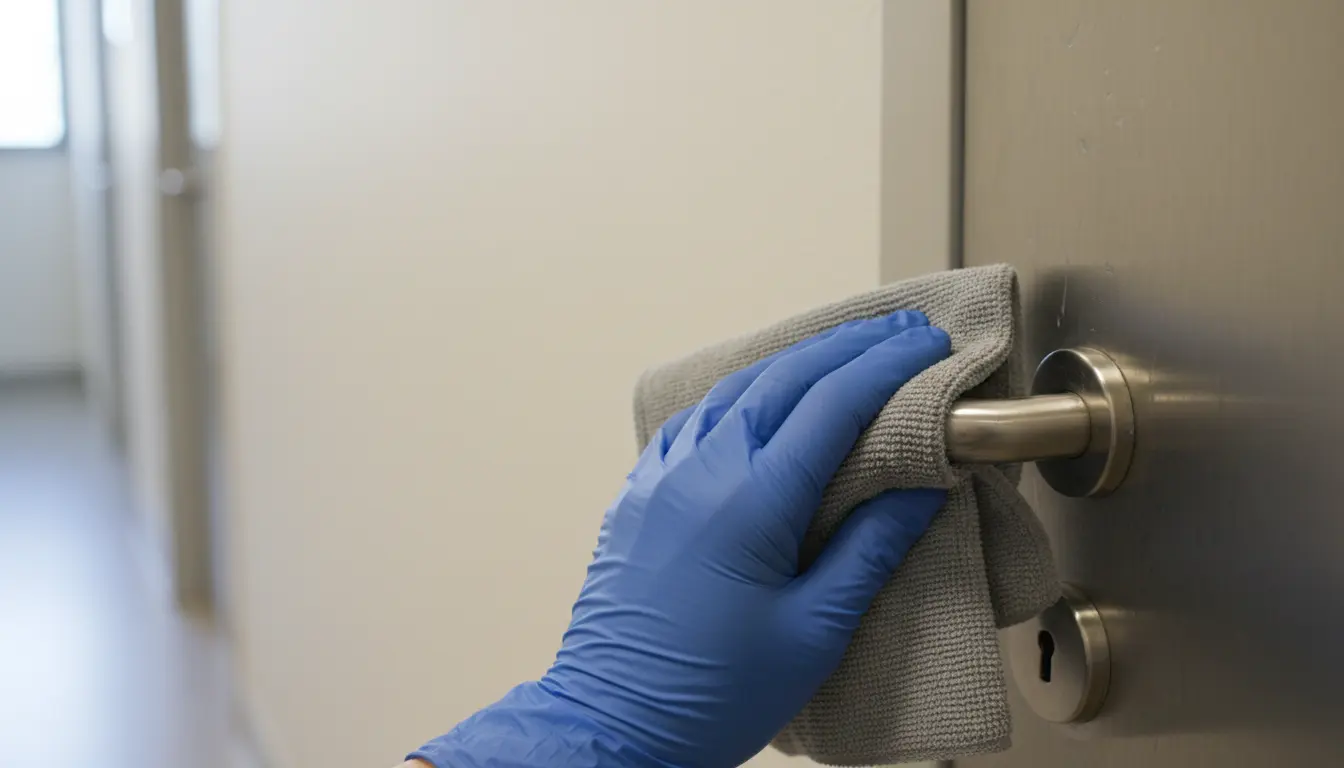
A workplace can look clean and still act as a relay point for germs. Door handles, taps, lift buttons, shared appliances, handrails, and meeting-room touchpoints can all collect microbes during a normal working day. When cleaning is irregular or rushed, those surfaces become part of the chain that spreads colds, stomach bugs, flu-like illness, and other common infections.
Professional cleaning cannot stop every sick day. People will still pick up infections at home, on public transport, in schools, and in the community. But a well-planned cleaning programme can reduce avoidable exposure at work. It does this by focusing on the places people touch most, using the right products, improving hygiene standards, and creating a workplace that supports healthier habits.
This article is for general information only. It is not medical advice, but it explains how better cleaning can support employee wellbeing and reduce preventable absence.
Sick days often start with shared touchpoints
Most workplaces share the same basic risk pattern. Many people pass through the same entrances, use the same washrooms, touch the same appliances, and gather in shared rooms. Even when staff are careful, germs can move from hands to surfaces and back again.
Common high-touch areas include:
- Door handles and push plates
- Stair rails and lift buttons
- Light switches
- Taps and flush handles
- Kettle handles and fridge doors
- Microwave controls
- Shared keyboards, phones, and touchscreens
- Chair arms and meeting-room controls
- Waste bins and recycling points
A quick visual clean may remove crumbs, dust, and obvious marks. That matters, but it is not the same as targeted hygiene cleaning. The areas most likely to spread illness are not always the areas that look dirty.
Professional cleaners are trained to recognise that difference. They work from a plan, pay attention to high-contact points, and use cleaning methods that reduce cross-contamination.
Professional cleaning targets the places that spread illness
The main benefit of professional cleaning is consistency. A trained cleaner does not rely on memory or guesswork. They follow a schedule that covers daily, weekly, and periodic tasks.
That matters because infection risk builds through repetition. One person touches a contaminated handle, then uses a shared appliance, then opens a washroom door. The chain continues unless it is broken.
A professional cleaning plan breaks that chain in several ways.
It uses the correct order of work
Cleaning in the wrong order can spread contamination. For example, using the same cloth on a washroom surface and then on a kitchen worktop is poor practice.
Professional cleaners typically use colour-coded cloths, separate tools, and clear routines. That helps prevent germs from being carried from one area to another.
It matches products to the task
Not every product suits every surface. Some are designed to remove dirt. Others are designed to disinfect after cleaning. Some need a specific contact time to work properly.
Professional cleaners understand product labels, safe dilution, dwell time, and surface compatibility. This matters because disinfectant sprayed and wiped away too quickly may not do the job intended.
Clean washrooms have a direct effect on hygiene
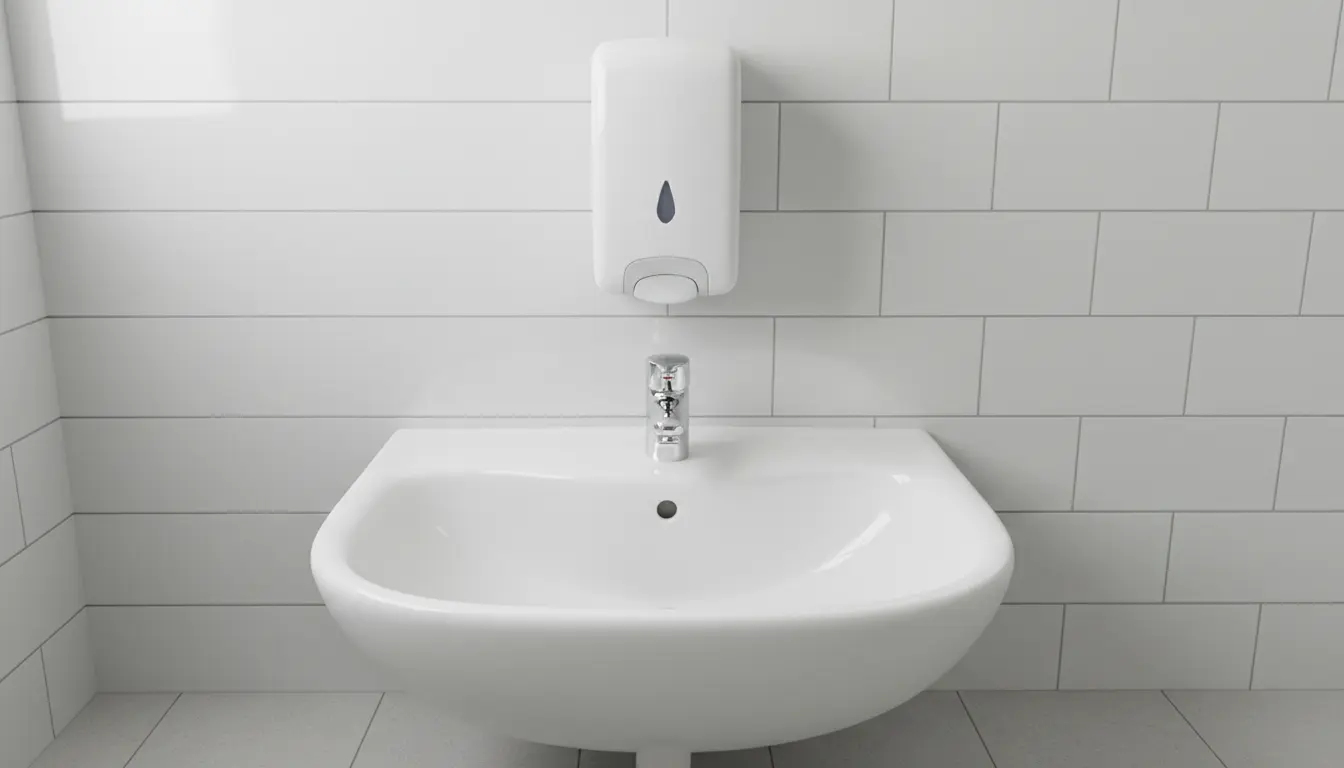
Washrooms are one of the most important areas in any workplace cleaning plan. If they are poorly stocked or visibly unclean, people are less likely to follow good hand hygiene. That has a knock-on effect across the whole building.
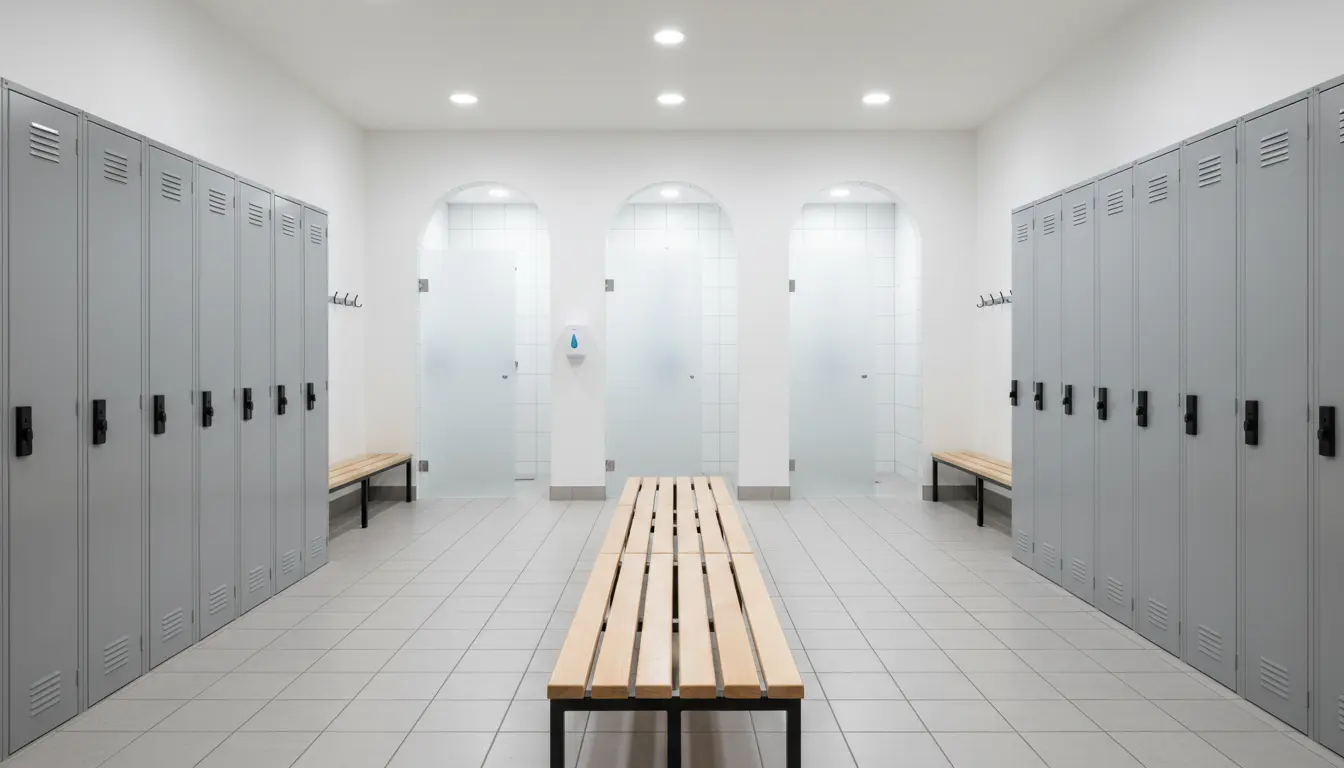
A professional cleaner checks more than the toilet bowls and floors. They also manage the hygiene details that affect daily behaviour:
- Soap dispensers are filled
- Hand-drying supplies are available
- Bins are emptied before they overflow
- Taps, flush handles, locks, and door handles are cleaned
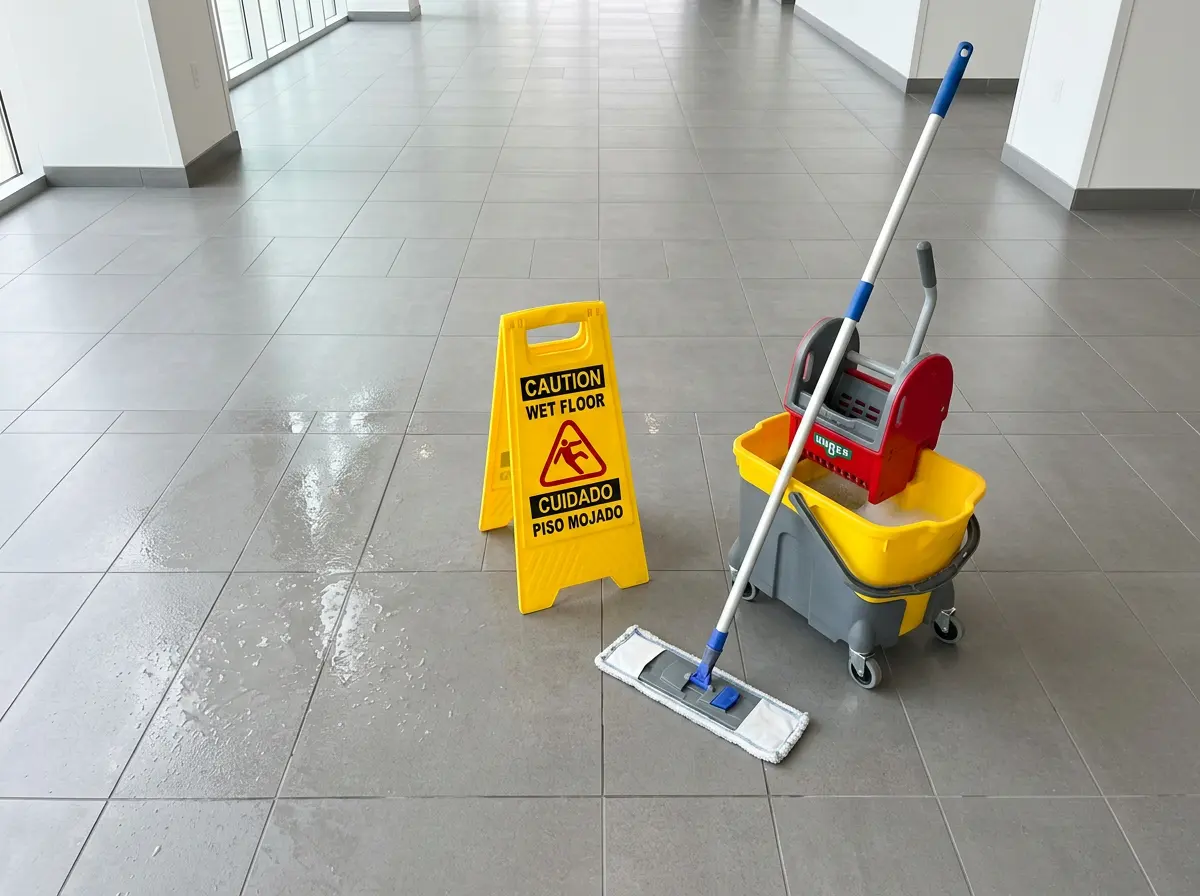
- Floors are kept dry and safe
- Odours are dealt with at the source
Hand hygiene is one of the simplest ways to reduce the spread of common infections. But it depends on the basics being in place. No soap, overflowing bins, or damp surfaces can quickly lower standards.
Shared kitchens and break areas need careful attention
Break areas can become hidden hotspots. People prepare food, touch appliance handles, eat snacks, wash mugs, and gather between tasks. A surface may be used by many people in a short space of time.
Professional cleaning helps by giving these areas a reliable hygiene routine. That routine should include:
- Worktops and tables
- Sink areas and taps
- Kettle handles
- Fridge handles
- Microwave buttons and handles
- Cabinet handles
- Vending machine controls
- Waste and recycling bins
Food residue also attracts pests and causes odours. While pest control is a separate service, regular cleaning reduces conditions that invite problems.
Better air quality can support fewer absences
Surface cleaning is only part of the picture. Indoor air quality also affects comfort and wellbeing. Dust, poor ventilation, mould growth, and blocked vents can make a workplace feel unpleasant and may worsen irritation for some people.
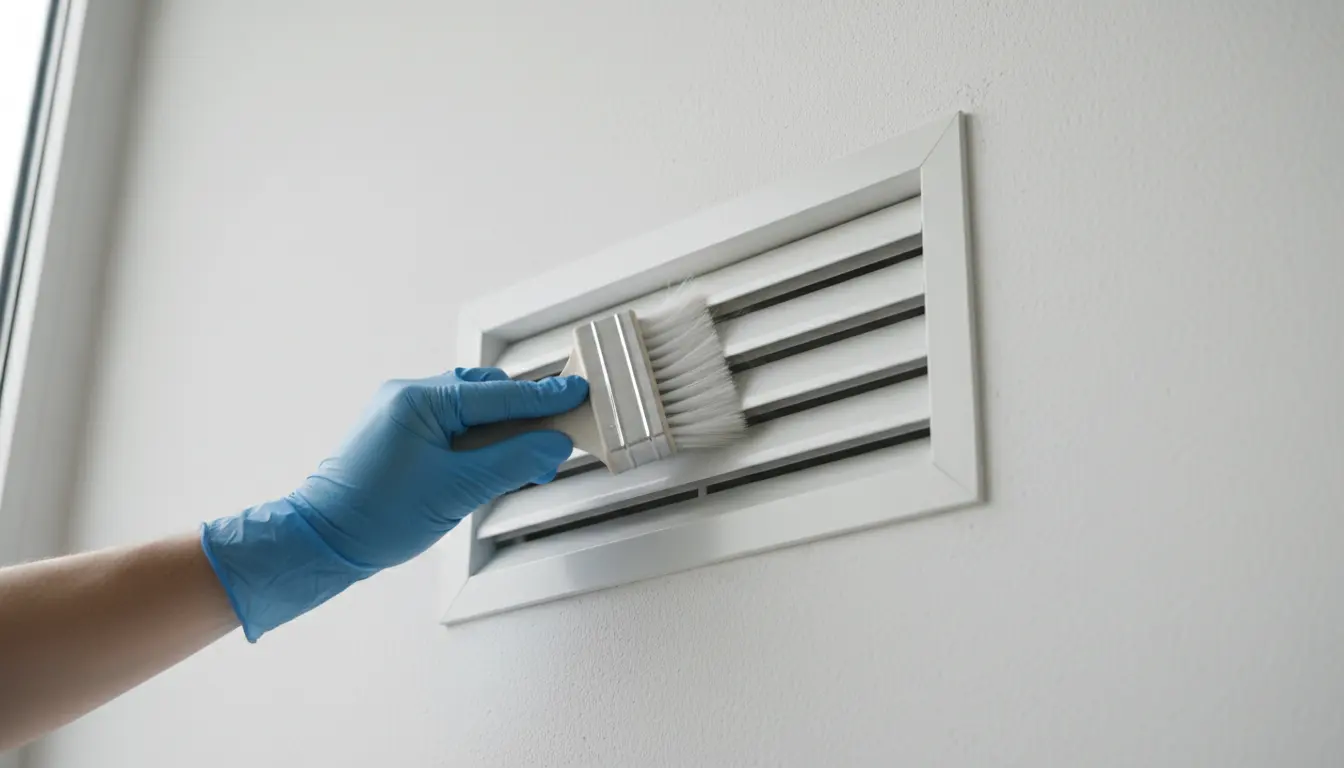
Professional cleaning can help by removing dust from areas that often get missed, such as:
- Vent covers
- Skirting boards
- High ledges
- Upholstered seating
- Carpets and entrance mats
- Blinds and internal glass
- Storage areas
This does not replace proper ventilation or building maintenance. Air systems still need suitable servicing by qualified providers. But routine cleaning can reduce dust build-up and improve the general feel of indoor spaces.
A professional schedule prevents cleaning gaps
One-off deep cleans can be useful, especially after renovations, outbreaks, floods, or long periods of neglect. But reducing sick days needs regularity.
A reliable schedule is usually built around risk and use. Busy areas need more attention. Low-traffic spaces may need less. The best plans are simple enough to follow but detailed enough to check.
Professional cleaners bring training and accountability
Many workplaces rely on staff to “wipe things down” after use. That can help, but it should not replace proper cleaning.
Employees are usually focused on their own work. They may not know which products to use, how long disinfectant should remain wet, or how to avoid cross-contamination. They may also skip tasks when the day is busy.
Professional cleaners bring structure. They can use checklists, site notes, supervisor checks, and agreed service levels. If something changes, such as higher footfall or an illness cluster, the cleaning plan can change too.
That accountability matters. When cleaning tasks are vague, they are easy to miss. When they are scheduled and recorded, standards are easier to maintain.
Clean workplaces encourage better habits
A clean environment shapes behaviour. People are more likely to wash their hands, tidy shared areas, and report hygiene issues when the workplace already feels cared for.
By contrast, a neglected space can lower expectations. If bins are full, surfaces are sticky, soap runs out, and floors are dusty, people may assume cleanliness is not a priority.
Professional cleaning supports a healthier culture by making hygiene visible. Staff do not need a long lecture to notice that touchpoints are cleaned, washrooms are stocked, and shared spaces are managed.
Small cues matter:
- Hand sanitiser stations are filled and placed where needed
- Waste bins are easy to use and emptied often
- Cleaning schedules are visible in washrooms
- Spillages are dealt with quickly
- Shared areas are reset each day
These cues help make good hygiene normal.
How to measure whether cleaning is helping
It can be hard to prove that cleaning alone caused a drop in sick days, because absence has many causes. Still, workplaces can track useful signs over time.
Start with simple measures:
- Short-term sickness absence trends
- Complaints about cleanliness
- Washroom supply issues
- Reports of odours or spills
- Staff feedback on shared areas
- Cleaning audit results
- Frequency of emergency cleaning requests
If sickness absence regularly spikes during certain months, plan extra hygiene measures before that period begins. If complaints cluster around one area, adjust the schedule there first.
The goal is steady improvement, not perfect proof. Professional cleaning works best as part of a wider approach that includes good ventilation, clear sick leave policies, hand hygiene, and sensible workplace practices.
Choosing a professional cleaning provider
The right provider should ask practical questions before giving advice. They should want to understand the size of the site, the number of people using it, opening hours, high-traffic areas, washroom needs, flooring types, and any sensitive areas.
Look for a provider that can explain:
- Their cleaning schedule
- Their product choices
- Their staff training
- Their approach to high-touch surfaces
- Their quality checks
- Their insurance and health and safety procedures
- Their ability to adapt during busier periods
Price matters, but the cheapest service may not give the best result. If cleaners are rushed, under-briefed, or given poor tools, important hygiene tasks can be missed.
A good provider should also be clear about what is included. General cleaning, deep cleaning, carpet cleaning, window cleaning, hygiene services, and specialist disinfection may be separate services.
The real value is fewer avoidable risks
No cleaner can control every source of illness. But professional cleaning reduces risks that are within the workplace’s control. It keeps touchpoints cleaner, improves washroom hygiene, supports better air quality, and makes healthy habits easier to follow.
When cleaning is planned, consistent, and focused on the right areas, it becomes more than a cosmetic service. It becomes part of absence management, staff wellbeing, and day-to-day business resilience. The practical next step is simple: review the spaces people touch most, check whether they are cleaned often enough, and make sure the cleaning plan matches how the workplace is actually used. That is where fewer avoidable sick days can begin.
Want to learn more tips on how Professional Office Cleaning Helps Reduce Employee Sick Days? Visit Effective Cleaning Services for more helpful cleaning advice.