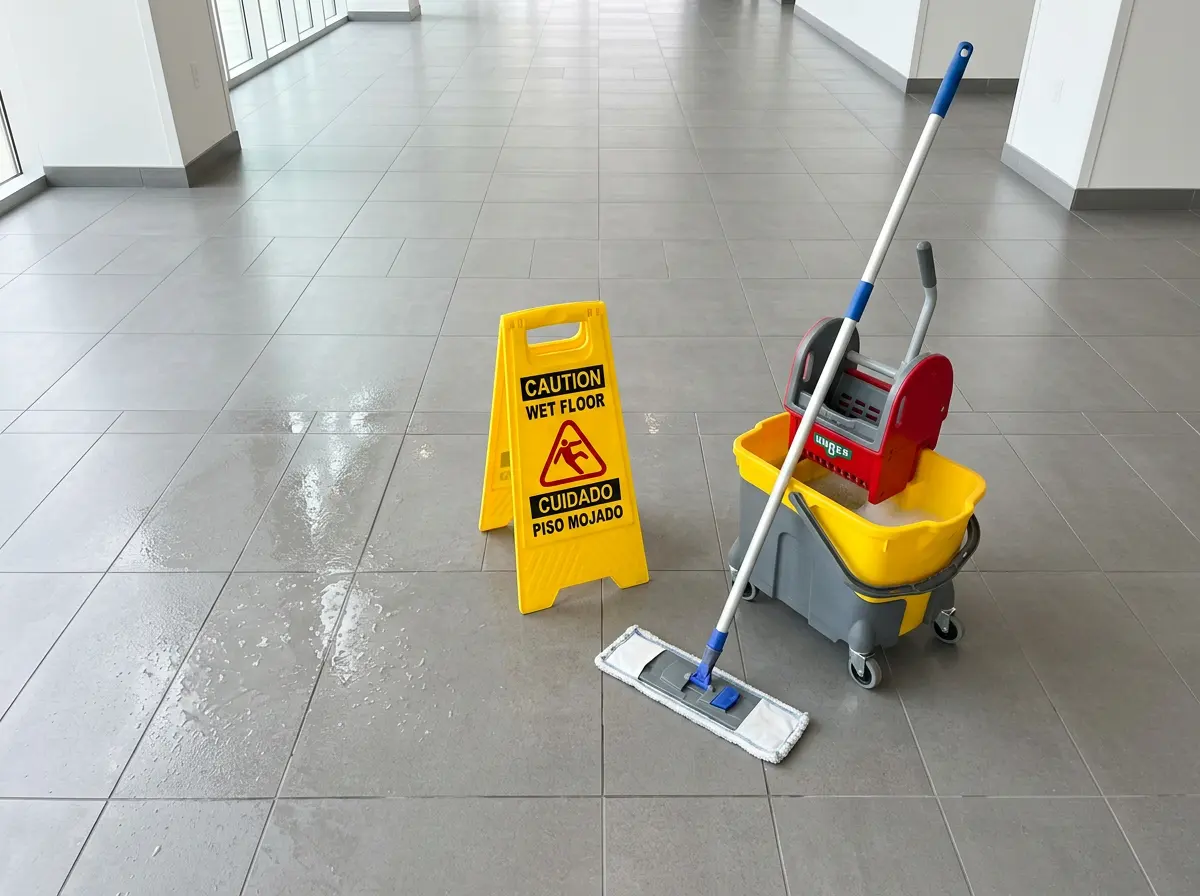
Retail cleaning plays a crucial role in maintaining an inviting atmosphere for customers. A clean environment not only enhances the shopping experience but also contributes to the overall health and safety of both customers and employees.
First impressions start at the door.
The entrance is the first test. Smudged glass, overflowing bins, wet mats, or litter near the doorway can make customers question the rest of the shop. Even if the products are good, that early doubt is hard to undo.
A clean entrance does the opposite. Clear windows, tidy signage, dry floors, and fresh air make the store feel safe and well managed. Customers do not need to think about it. They simply feel more at ease.
This matters because shoppers make quick judgements. They notice:
- Dirty handles on doors and baskets
- Dust on window ledges or displays
- Stains near the entrance
- Unpleasant smells
- Clutter blocking walkways
These details may seem small, but they add up. A store that looks clean from the first step suggests that the same care continues behind the scenes.
For food shops, pharmacies, cafés, and beauty retailers, this is especially important. Customers connect cleanliness with product safety. If the public areas are fresh and orderly, they are more likely to believe the stockroom, fridges, counters, and preparation areas are treated with the same care.
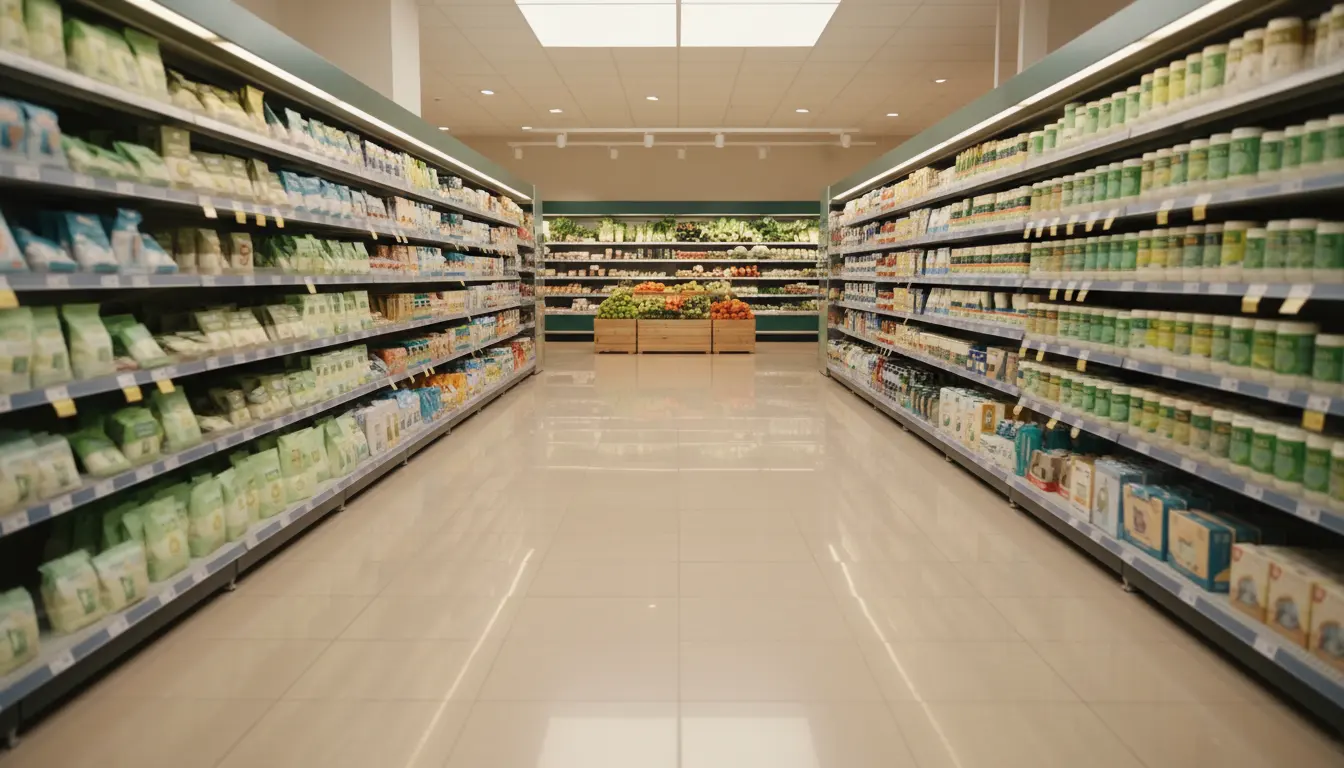
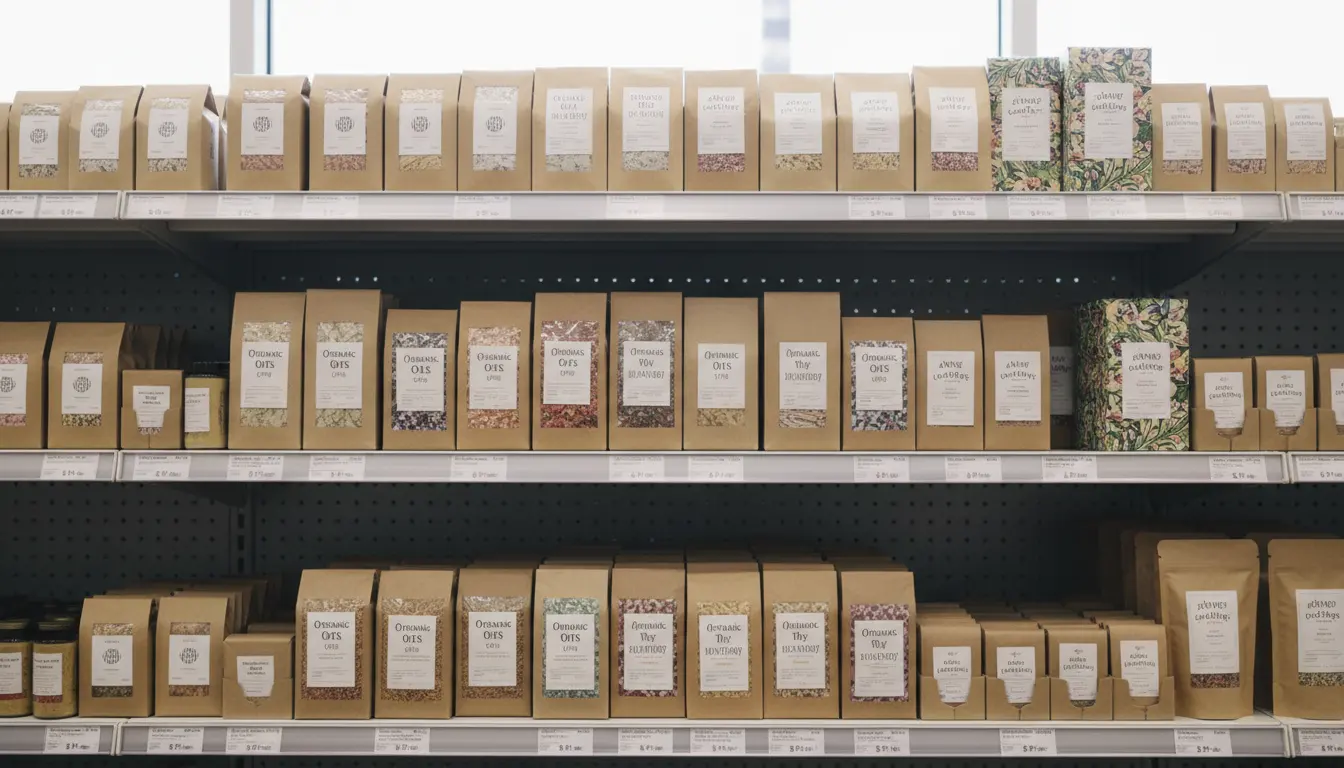
Clean shelves make products feel more reliable.
Customers trust products more when the space around them is clean. A dusty shelf can make even a premium item feel old. Sticky labels, leaking products, or messy displays make customers hesitate. They may wonder how long something has been sitting there or whether staff check stock often enough.
Clean shelves suggest movement, freshness, and control. They show that staff are present and paying attention. This is a quiet but powerful part of how clean stores build customer trust.
Good shelf hygiene includes more than wiping the visible front edge. It also means:
- Removing damaged packaging quickly
- Cleaning spills as soon as they happen
- Keeping stock away from dust and debris
- Rotating products properly
- Making sure price labels are clear and clean
A tidy display also helps customers make decisions faster. They can see what is available, compare options, and pick up items without feeling that they are touching something neglected.
Cleanliness tells customers staff are paying attention.
A clean store rarely happens by accident. Customers know this. When they see tidy aisles, dry floors, clean counters, and well-kept toilets, they sense that staff are active and alert.
That feeling builds confidence. If staff notice a spill, they are more likely to notice an empty shelf. If they keep the fitting rooms tidy, they are more likely to help with sizes. If the checkout area is clean, they are more likely to handle products with care.
Cleanliness becomes a sign of good management. It shows that standards are not only written down, but followed.
This is why consistency matters. A shop that is clean in the morning but messy by lunchtime sends a mixed message. Busy periods can make cleaning harder, but they also make it more visible. Customers understand that shops get busy. They are less forgiving when problems sit untouched.
A simple routine can help:
- Check entrances and high-touch points often
- Clean spills straight away
- Assign responsibility by area
- Keep cleaning tools out of customer walkways
- Record daily checks for toilets, counters, and food areas
The goal is not to make the store look unused. It should feel active, lived in, and well cared for.
Hygiene affects how long people stay.
Customers stay longer in places where they feel comfortable. If a store smells stale, feels sticky, or looks unclean, people often shorten the visit. They buy what they came for, if anything, and leave.
A clean space encourages browsing. Customers are more willing to touch products, try items, compare options, and ask for help. In clothing stores, clean fitting rooms can make the difference between trying something on and walking away. In cafés or food halls, clean tables and floors can influence whether customers sit down or take their money elsewhere.
Toilets also shape trust. Many customers judge the whole business by them. A clean, stocked, and well-lit toilet suggests care. A neglected one can damage confidence, even if the shop floor looks fine.
Smell is part of this too. A store does not need a strong fragrance. In fact, heavy scents can put people off. Fresh, neutral air is usually best. It tells customers that bins are emptied, floors are cleaned, stock is fresh, and damp areas are managed.
Clean stores support repeat visits.
Trust grows through repetition. One clean visit is good. Several clean visits create confidence. Customers begin to expect a certain standard, and that standard becomes part of the store’s reputation.
This is especially valuable for shops that rely on regular footfall. A customer may forgive one untidy day during a rush, but repeated poor cleanliness changes their view. They may not complain. They may simply stop returning.
Cleanliness can also reduce pressure on staff. When the shop is tidy, customers can find what they need, move through aisles easily, and feel less need to ask basic questions. Staff can focus more on service and less on damage control.
For retailers with several locations, consistency is key. Customers often judge the wider business by one branch. A clean store in Cork and a messy one in Galway can create confusion. Shared cleaning standards, proper training, and regular checks help protect the whole brand experience without relying on guesswork.
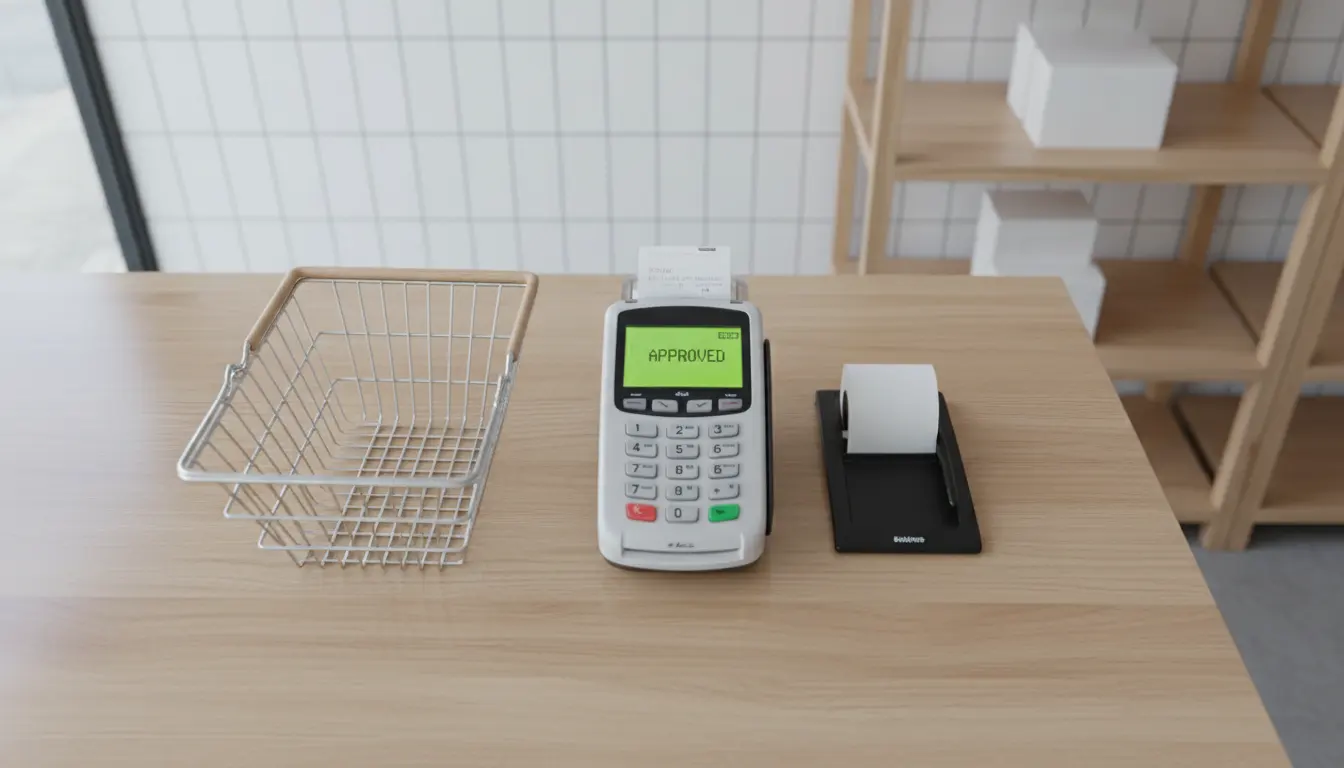
The best approach is practical, not complicated. Set clear standards. Build cleaning into the day, not only after closing. Give staff the right materials. Pay attention to the areas customers touch most:
- Basket and trolley handles
- Card machines and counters
- Door handles
- Fridge doors
- Fitting room hooks and seats
- Toilets and baby changing areas
Small habits, repeated often, create a store that feels dependable.
Cleanliness is a trust signal customers can see
Customers cannot see every part of a business. They cannot inspect stockrooms, supplier records, training notes, or cleaning schedules. They judge what is in front of them.
That makes cleanliness one of the clearest trust signals a store can offer. It is visible, immediate, and easy to understand. A clean shop tells customers that standards matter here. It makes products feel fresher, staff feel more reliable, and the whole visit feel safer and more enjoyable.
The takeaway is simple: clean stores do not only look better. They make customers feel better about buying, returning, and recommending the business to someone else.
A clean store creates a welcoming experience and builds lasting customer trust. Contact Effective Cleaning Services today to book professional cleaning or visit our page to learn more about our cleaning solutions.