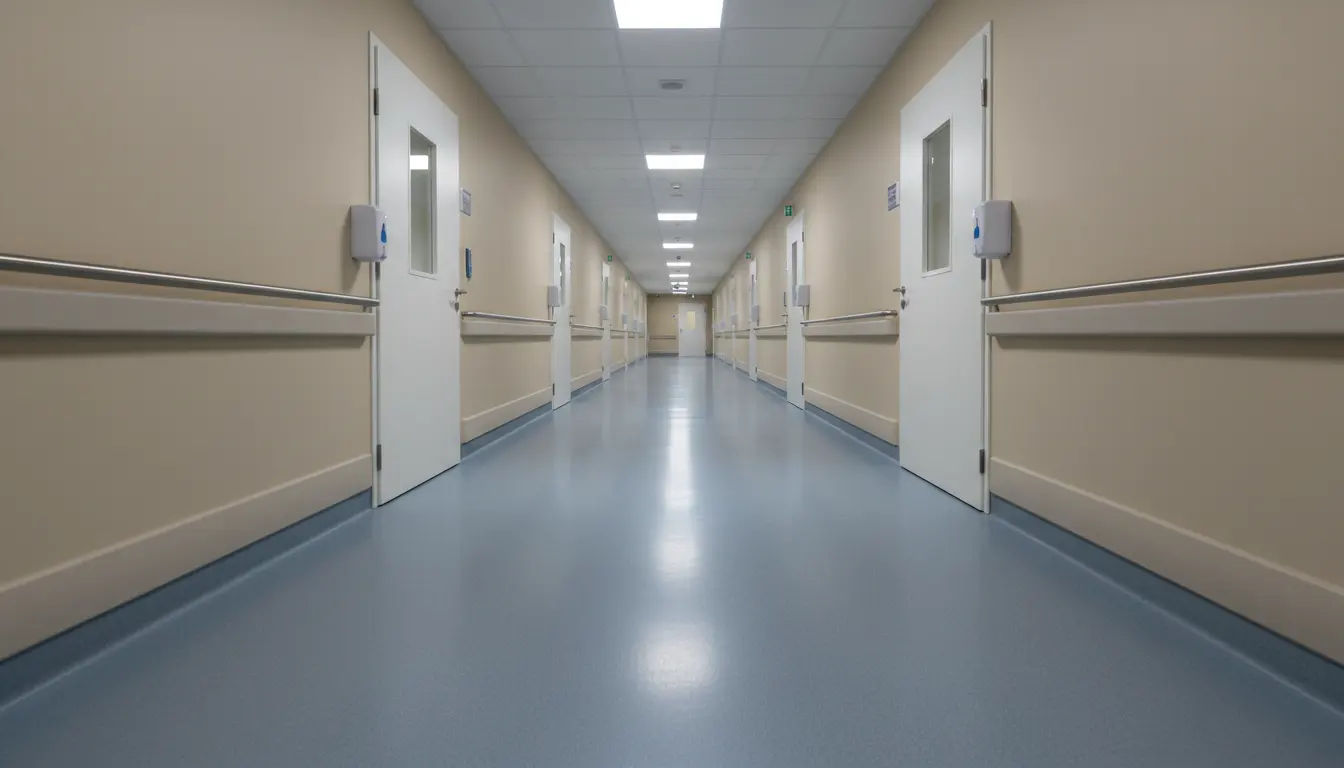
A healthcare facility can look spotless and still carry risk on the surfaces people touch all day. Door handles, bed rails, taps, worktops, call buttons, and shared equipment can all become transfer points for germs if cleaning routines miss them.
Daily sanitisation is not a cosmetic task. It supports infection prevention, protects patients with weaker immune systems, and helps staff work in a safer environment. The highest-risk areas are usually the places with frequent contact, bodily fluid exposure, or vulnerable patients. They need clear schedules, trained staff, and the right disinfectants for the setting.
This article is for general information only. Healthcare cleaning protocols should always follow local infection prevention guidance, product instructions, and facility policies.
Patient rooms need close attention every day.
Patient rooms are among the most obvious high-risk areas in healthcare facilities that need daily sanitisation. Patients spend long periods there, clinical staff move in and out, and visitors may touch surfaces without thinking.
Daily cleaning should focus on high-touch points first. These include:
- Bed rails
- Overbed tables
- Call bells
- Light switches
- Door handles
- Chair arms
- IV poles
- Remote controls
- Privacy curtain edges
- Bathroom surfaces
The bed space needs special care because it sits at the centre of patient contact. Even when bedding is changed, the hard surfaces around the bed can still carry contamination. Bed controls, grab rails, and nearby tables are handled repeatedly during care, meals, medication rounds, and family visits.
En-suite bathrooms also need daily sanitisation. Toilets, flush handles, taps, grab rails, shower seats, and sinks can all harbour germs. Cleaning teams should avoid moving from bathroom surfaces back to patient-zone surfaces with the same cloth or mop head. Colour-coded systems can help prevent cross-contamination when used properly.
Isolation rooms need stricter controls. These areas may require dedicated cleaning tools, specific disinfectants, and careful waste handling. Staff should clean from cleaner areas to more contaminated areas and follow the required contact time for disinfectants. A surface is not properly disinfected if the product is wiped away too soon.
Treatment and procedure rooms carry higher contamination risk.
Treatment rooms, dressing rooms, minor procedure rooms, and phlebotomy areas see regular close contact between staff, patients, medical devices, and exposed skin. These spaces often involve blood, dressings, sharps, or wound care, so daily sanitisation is essential.
Work surfaces should be cleaned before and after use, not just at the end of the day. Couches, examination chairs, trolleys, trays, and equipment handles need attention between patients. Daily cleaning then gives the whole room a more complete reset.
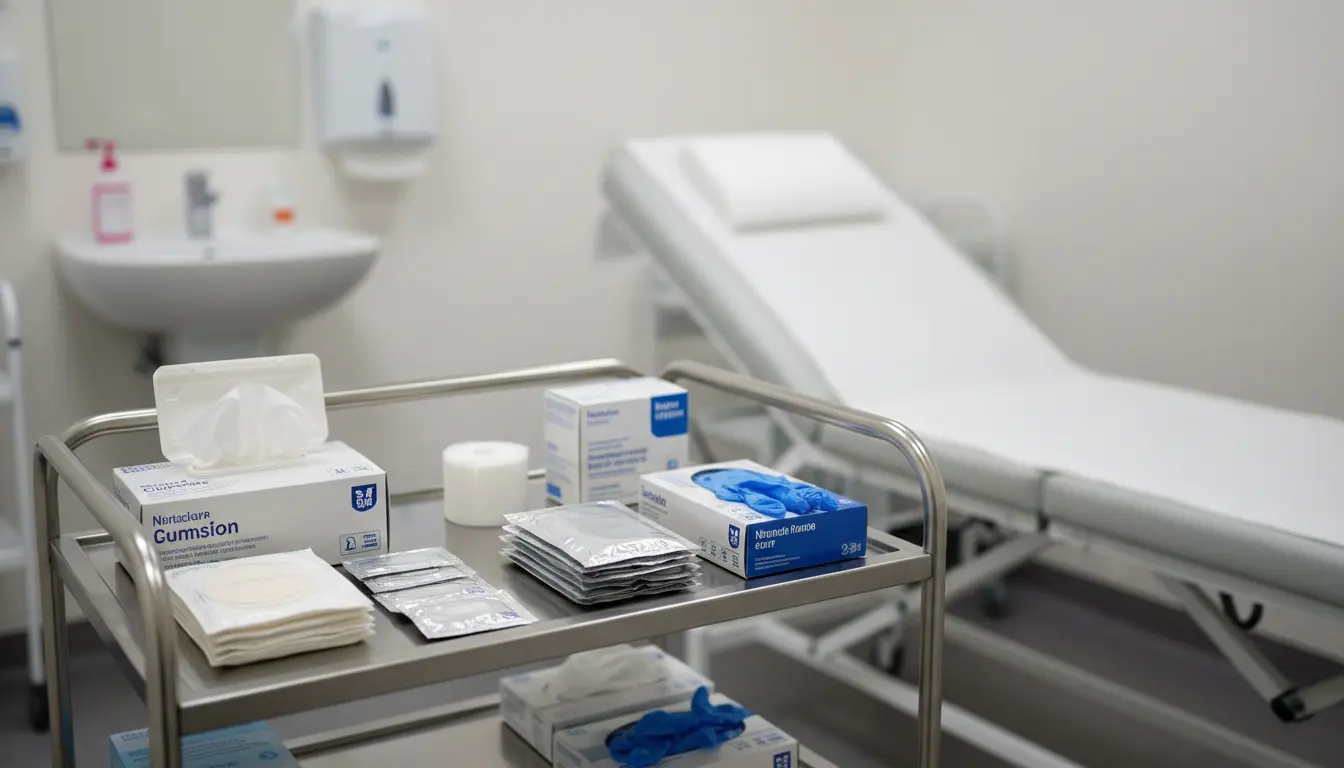
Shared clinical equipment can be easy to overlook. Items such as blood pressure cuffs, pulse oximeters, thermometers, weighing scales, and mobile monitors move between patients and rooms. If the facility does not have a clear cleaning process for shared equipment, these items can undermine the hygiene of otherwise clean spaces.
A good routine answers three simple questions:
- Who cleans the item after use?
- Which product should they use?
- Where is the item stored once clean?
Clear responsibility matters. If everyone assumes someone else has cleaned a piece of equipment, the risk rises.
Toilets, washrooms, and sluice rooms need strict routines.
Washrooms in healthcare settings are not the same as public washrooms in other buildings. Patients may be unwell, mobility aids may be used, and bodily fluid contamination is more likely. These areas need frequent checks and thorough daily sanitisation.
Key surfaces include toilet seats, flush plates, cubicle locks, door handles, taps, soap dispensers, hand dryers, paper towel dispensers, grab rails, baby changing units, and sanitary waste units. Floors also need careful cleaning, especially around toilets and sinks.
Sluice rooms and dirty utility rooms carry an even higher risk. These areas may be used for the disposal of bodily fluids, cleaning reusable equipment, and handling waste. They should never become cluttered storage spaces. Clutter makes cleaning harder and creates hidden touchpoints that staff may miss.
In these rooms, cleaning tools need careful management too. Mops, buckets, cloths, and disposable wipes should be stored correctly. Reusing the wrong cleaning item in the wrong area can spread contamination rather than remove it.
The safest cleaning routine is one that is simple enough to follow every day and strict enough to prevent shortcuts.
Reception areas and waiting rooms still need daily sanitisat.ion
Reception desks, waiting rooms, and entrances may seem lower risk than clinical rooms, but they have heavy footfall. People arrive unwell, touch shared surfaces, sit close to others, and move through the space before anyone knows what infection risk they may carry.
Daily sanitisation should cover:
- Reception counters
- Check-in screens
- Card payment terminals
- Chair arms
- Door handles
- Lift buttons
- Stair handrails
- Water stations
- Children’s play items, if provided
- Magazine racks, if still in use
Soft furnishings can complicate cleaning. Fabric chairs, curtains, and toys are harder to disinfect than wipeable materials. Facilities should choose surfaces that can stand up to regular cleaning without damage.
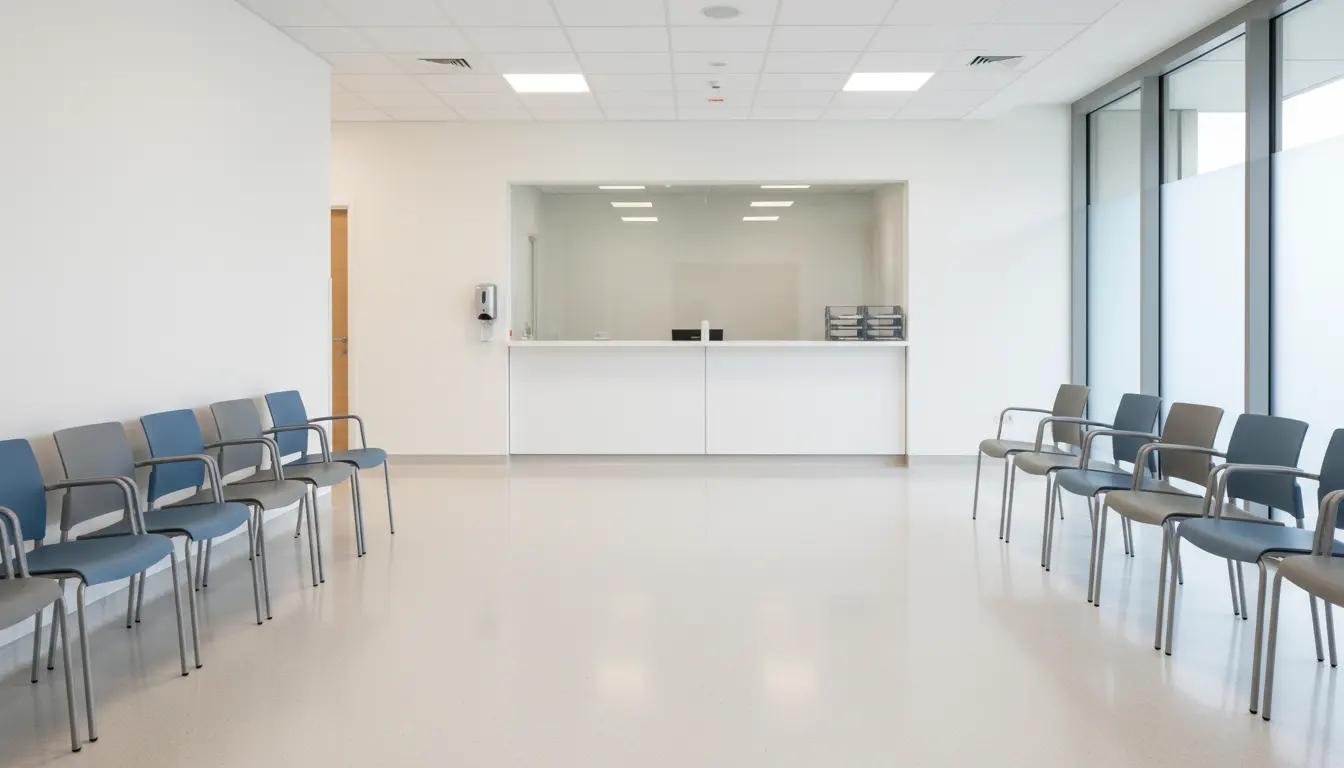
Entrance points deserve special focus during busy periods. Handles, push plates, intercom buttons, and sign-in devices are touched by many people in a short space of time. These surfaces may need cleaning more than once per day, depending on use.
Healthcare staff areas and support spaces should not be forgotten
Staff rooms, changing areas, kitchens, medicine preparation areas, storage rooms, and corridors all support patient care. If these areas are poorly maintained, contamination can travel back into clinical spaces.
Staff break rooms are a common weak point. Fridge handles, kettle switches, microwave buttons, taps, tables, chair backs, and cupboard handles are touched throughout the day. Food areas need cleaning routines that separate general hygiene from clinical infection control.
Medicine preparation areas need a clean, uncluttered surface. They should not be used for drinks, food, bags, or unrelated equipment. Daily sanitisation helps protect both staff workflow and patient safety.
Corridors also matter. Handrails, lift buttons, door plates, and touch panels are high-contact surfaces. Cleaning teams should treat these as part of the care environment, not just as building fabric.
Daily sanitisation works best when the process is clear.
The best cleaning plans are practical. They name the area, list the surfaces, state the frequency, and identify who is responsible. They also allow for extra cleaning after spills, visible contamination, outbreaks, or high patient turnover.
A strong daily routine should include:
- Clean-to-dirty workflow
Staff move from lower-risk surfaces to higher-risk surfaces.
- Correct disinfectant contact time
Products stay wet on the surface for the time stated by the manufacturer.
- Fresh cloths and mop heads
Cleaning materials are changed before they spread contamination.
- Clear records
Checklists show what was cleaned, when, and by whom.
- Regular audits
Supervisors check whether the routine works in real conditions.
Training is just as important as the cleaning products. Staff need to know why each area matters, not only what task to tick off. When people understand the risk, they are more likely to follow the process properly.
Daily sanitisation in healthcare facilities is about protecting the chain of care. Patient rooms, treatment spaces, washrooms, waiting areas, and staff zones all play a part. When these high-risk areas are cleaned with care every day, the whole facility becomes safer, calmer, and easier to manage.
Keep high-risk healthcare areas clean, safe, and hygienic with professional cleaning from Effective Cleaning Services. Contact us today to book a cleaning service or visit our page to learn more about our healthcare cleaning solutions.