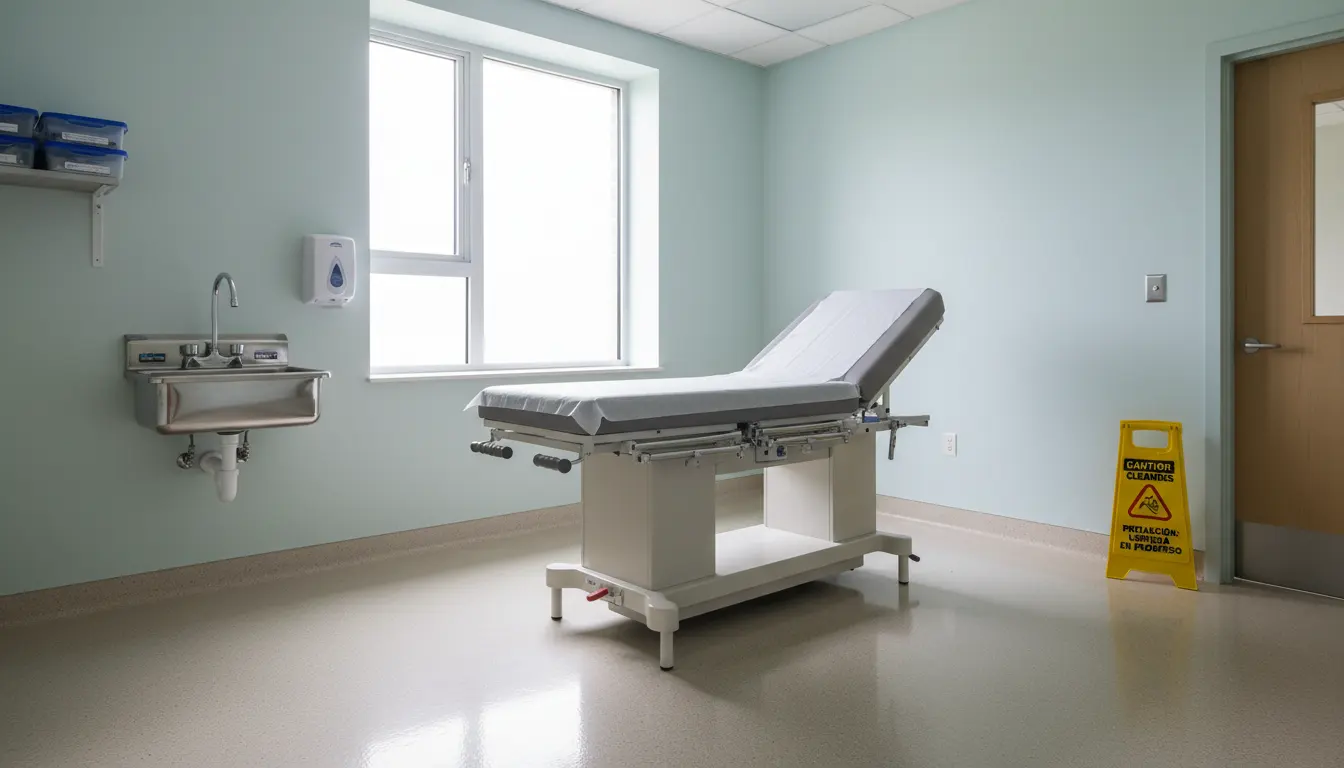
A clean floor can look the same in a clinic and a retail unit, but the work behind it is very different. In healthcare settings, cleaning is part of infection prevention. In standard commercial spaces, it is usually about hygiene, appearance, comfort, and day-to-day upkeep.
That difference matters. The wrong cleaning method in a healthcare setting can leave risks behind even when the space looks spotless. Healthcare cleaning calls for tighter procedures, clearer records, trained staff, and products chosen for clinical environments.
Healthcare cleaning has a different purpose
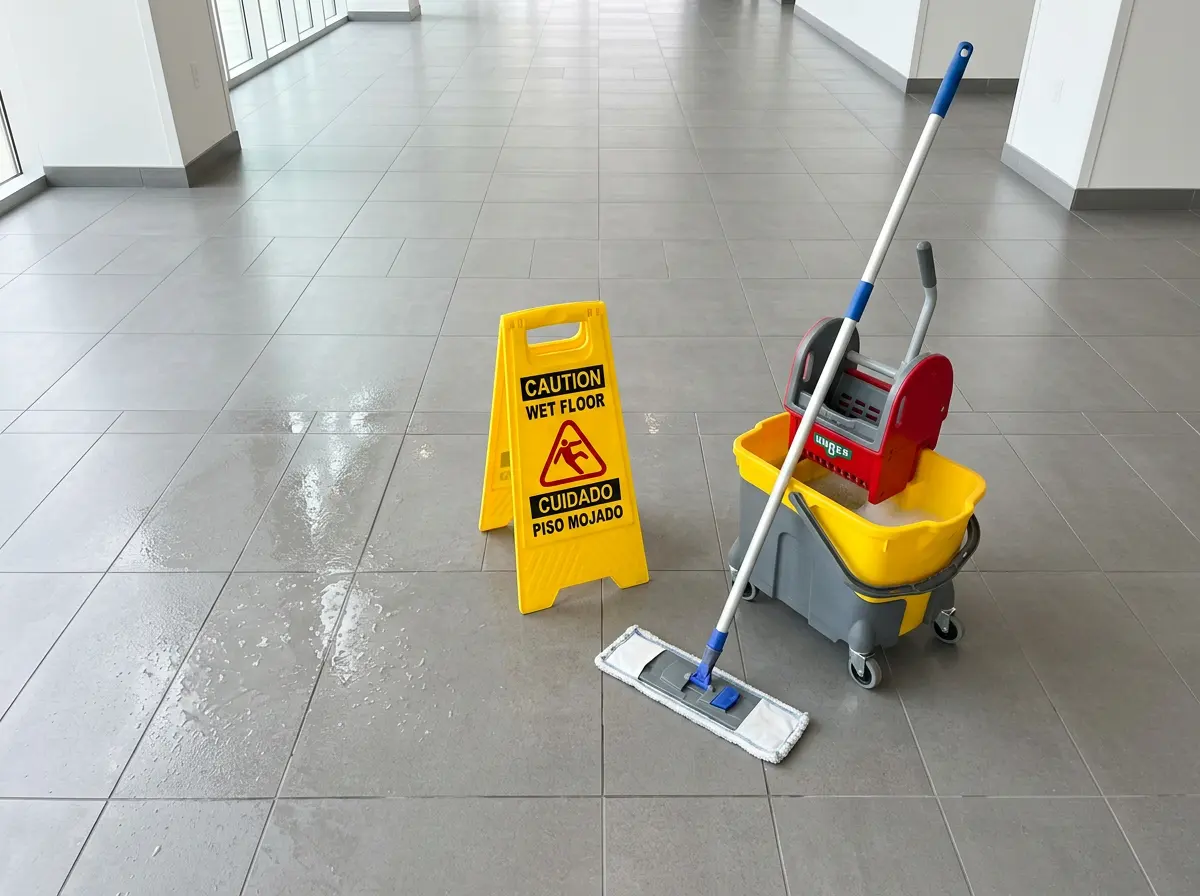
Standard commercial cleaning focuses on keeping workplaces and public areas clean, presentable, and pleasant to use. This can include vacuuming, mopping, dusting, emptying bins, cleaning washrooms, and wiping common touchpoints.
Healthcare cleaning goes further. Its purpose is to reduce the risk of infection and cross-contamination in places where people may be ill, recovering, immunocompromised, or receiving treatment. This includes:
- GP surgeries
- Dental practices
- Physiotherapy clinics
- Nursing homes
- Hospitals and outpatient centres
- Pharmacies with consultation rooms
- Veterinary clinics, depending on the service
The key difference is risk. A standard commercial site may deal with dirt, dust, spillages, and general germs. A healthcare site may involve blood, body fluids, clinical waste, pathogens, and vulnerable patients.
That changes the cleaning plan from the ground up. Floors, seating, door handles, switches, examination couches, washrooms, and clinical touchpoints all need careful attention. The team cannot simply clean what looks dirty. They must clean based on risk, frequency of use, and the type of care provided in the room.
The standards and procedures are more controlled
In a typical commercial building, cleaning tasks often follow a daily or weekly checklist. The checks are important, but the process is usually flexible. If a meeting room is unused, it may need only light attention. If a canteen is busy, it may need more.
By contrast, healthcare cleaning relies on specific procedures that must be followed consistently. Cleaning teams need to know the correct sequence of work, the right contact times for disinfectants, and how to move safely from one area to another.
A healthcare cleaning plan may include:
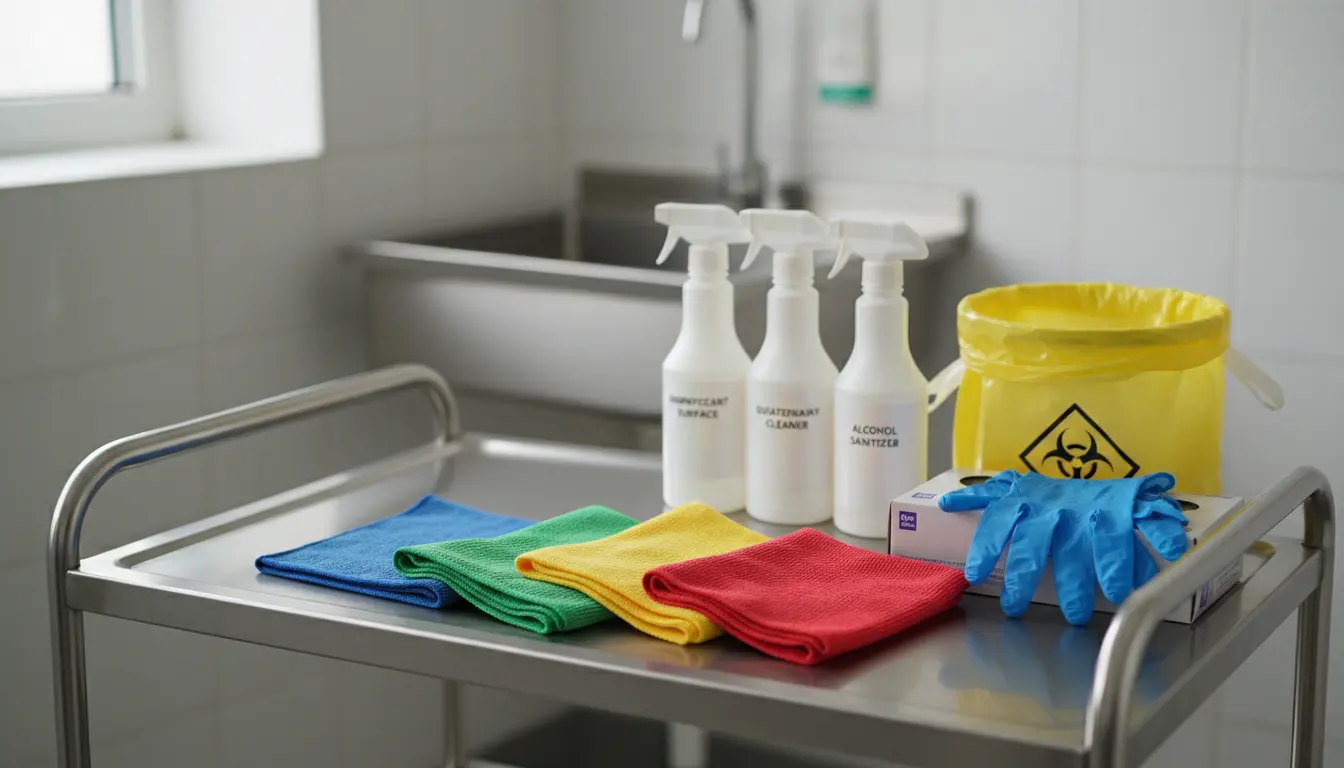
- Colour-coded equipment to prevent cross-use between areas
- Separate cloths and mops for clinical and non-clinical spaces
- Clear rules for high-touch surfaces
- Waste segregation procedures
- Cleaning records for audits and inspections
- Scheduled deep cleans
- Response plans for spills or contamination
The sequence matters. Cleaning normally moves from cleaner areas to dirtier areas, and from higher surfaces to lower ones. Equipment must be cleaned, stored, and replaced properly. If these steps are skipped, contaminants can be carried from one room to another.
Products and equipment are chosen for clinical risk
Commercial cleaners often use general cleaning agents suitable for desks, washrooms, kitchens, floors, and shared facilities. Many of these products are effective for routine hygiene, but they may not be suitable for healthcare risks.
Healthcare cleaning uses products selected for the environment and the level of disinfection required. A cleaner may need to use a detergent first to remove soil, then apply a disinfectant correctly. The surface must stay wet for the required contact time. If it dries too quickly or is wiped away too soon, it may not work as intended.
This is one of the most common differences between Healthcare Cleaning vs Standard Commercial Cleaning. In healthcare, the method is as important as the product.
Equipment also needs tighter control. Mops, buckets, scrubber dryers, vacuum cleaners, and cloths must suit the setting. In some clinical areas, equipment may be dedicated to one room or zone. Disposable items may be used where the risk is higher. Storage areas must be clean and organised, because poorly stored equipment can become a source of contamination.
There is also more care around materials. Strong chemicals can damage medical surfaces, flooring, or furniture if used incorrectly. That means healthcare cleaners need to understand both disinfection and surface compatibility.
Staff training is more specialised
A standard commercial cleaner needs to know how to clean safely, use products correctly, manage slips and trips, and work around people without disrupting the space.
A healthcare cleaner needs all of that, plus extra training in infection control. This may include:
- Hand hygiene
- Use of personal protective equipment
- Safe handling of clinical waste
- Blood and body fluid spill response
- Isolation room procedures where relevant
- Sharps awareness
- Safe movement between clean and contaminated areas
They also need to understand why each step matters. For example, wiping a treatment couch with the wrong cloth, or using the same mop in a washroom and clinical room, can create avoidable risk.
Good healthcare cleaners work with a calm, methodical approach. They do not rush through rooms just because they look tidy. They follow the schedule, record the work, and report issues such as damaged flooring, broken dispensers, overflowing bins, or supplies running low.
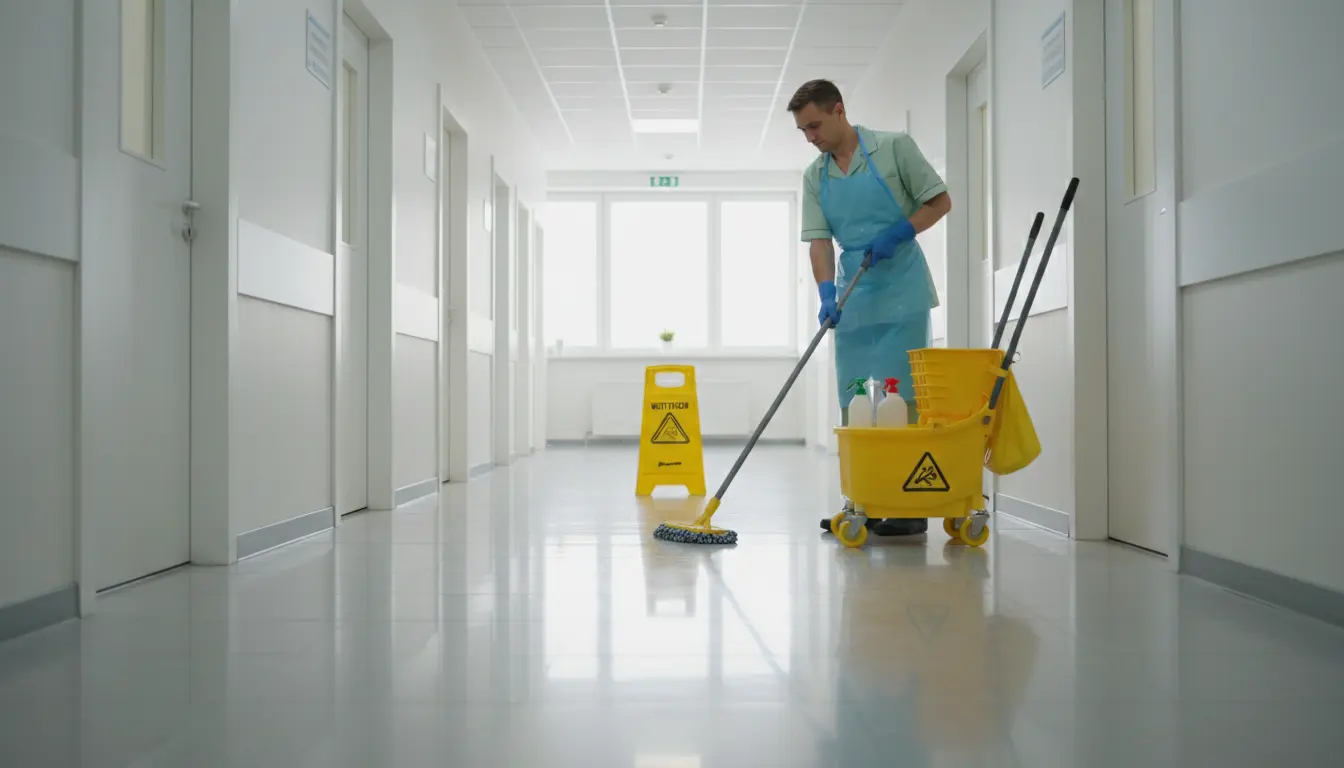
Documentation and accountability are much stronger
In many commercial spaces, cleaning is judged by appearance and user feedback. If bins are emptied, floors are clean, and washrooms are stocked, the job is usually seen as complete.
Healthcare environments need better proof. Cleaning records help show what was cleaned, when it was cleaned, and who carried out the task. This supports internal checks, inspections, and infection prevention procedures.
Documentation may include:
- Daily cleaning logs
- Deep-clean schedules
- Room-by-room checklists
- Product safety information
- Staff training records
- Incident reports for spills or contamination
- Waste handling records where required
This paperwork is not there to create admin for its own sake. It gives managers confidence that standards are being met even when they are not watching every task. It also helps spot patterns. If a room is repeatedly missed, or a high-touch area needs more frequent cleaning, the records make that visible.
Standard commercial cleaning still has its own value
The difference in standards does not mean commercial cleaning is basic or unimportant. Shops, gyms, schools, warehouses, hospitality venues, and shared residential buildings all need reliable cleaners. These settings have their own risks, from food hygiene to heavy footfall and washroom use.
The main distinction is the level of clinical control. A standard commercial cleaning plan may be enough for a reception area, staff room, or public hallway. But once a space is used for treatment, examination, clinical consultation, or patient care, healthcare cleaning standards become more relevant.
Some buildings need both. A medical centre, for example, may have public areas, offices, toilets, consultation rooms, treatment rooms, and staff-only clinical spaces. Each area should have its own risk level and cleaning specification.
The real difference is the margin for error
Healthcare cleaning leaves less room for guesswork. The work must be planned, repeatable, recorded, and carried out by people who understand infection risk. Standard commercial cleaning keeps everyday spaces clean and usable. Healthcare cleaning helps protect patients, staff, and visitors in settings where hygiene is directly linked to safety.
The takeaway is simple: choose the cleaning method that matches the space's risk level. If people are receiving care, treatment, or clinical support, the cleaning programme needs to meet that standard, not just make the room look clean.
For more information about our healthcare and commercial cleaning services, visit Effective Cleaning Service. Contact our team today to discuss your cleaning needs and book a professional cleaning service tailored to your workplace.