
Maintaining high cleaning standards in healthcare facilities is essential to protect patients from infections and promote overall safety. Healthcare environments are prone to contamination due to the constant presence of pathogens, making rigorous cleaning protocols a critical part of patient care. This article explores practical ways to ensure exceptional cleaning standards that directly contribute to safer healthcare settings.
The Importance of Cleaning Standards in Healthcare
Healthcare-associated infections (HAIs) affect millions of patients worldwide each year, leading to prolonged hospital stays, increased medical costs, and, in severe cases, death. Many of these infections result from inadequate cleaning and disinfection of surfaces, equipment, and patient areas. By maintaining strict cleaning standards, healthcare facilities can reduce the risk of HAIs and improve patient outcomes.
Effective cleaning removes dirt, organic matter, and microbes from surfaces, while disinfection kills remaining pathogens. Both steps are necessary to break the chain of infection. This is especially important in high-touch areas such as bed rails, doorknobs, medical devices, and waiting rooms.
Key Elements of High Cleaning Standards
To achieve exceptional cleaning standards, healthcare facilities should focus on several core elements:
1. Clear Cleaning Protocols
Develop detailed cleaning protocols that specify:
- Which areas require cleaning and how often
- Approved cleaning agents and disinfectants
- Proper techniques for cleaning different surfaces
- Procedures for handling contaminated waste and linens
Protocols should be based on guidelines from reputable sources such as the Centers for Disease Control and Prevention (CDC) or the World Health Organization (WHO). Clear instructions help cleaning staff perform their duties consistently and effectively.
2. Staff Training and Competency
Cleaning staff must receive thorough training on infection control principles, cleaning procedures, and the correct use of cleaning products. Regular refresher courses and competency assessments ensure that staff stay updated on best practices.
For example, a hospital might conduct monthly training sessions covering new disinfectants or changes in cleaning schedules. Well-trained staff are more confident and efficient, reducing the likelihood of missed spots or improper cleaning.
3. Use of Appropriate Cleaning Products and Equipment
Selecting the right cleaning agents is crucial. Products must be effective against the pathogens commonly found in healthcare settings, including bacteria, viruses, and fungi. Facilities should use disinfectants registered with health authorities and follow manufacturer instructions for dilution and contact time.
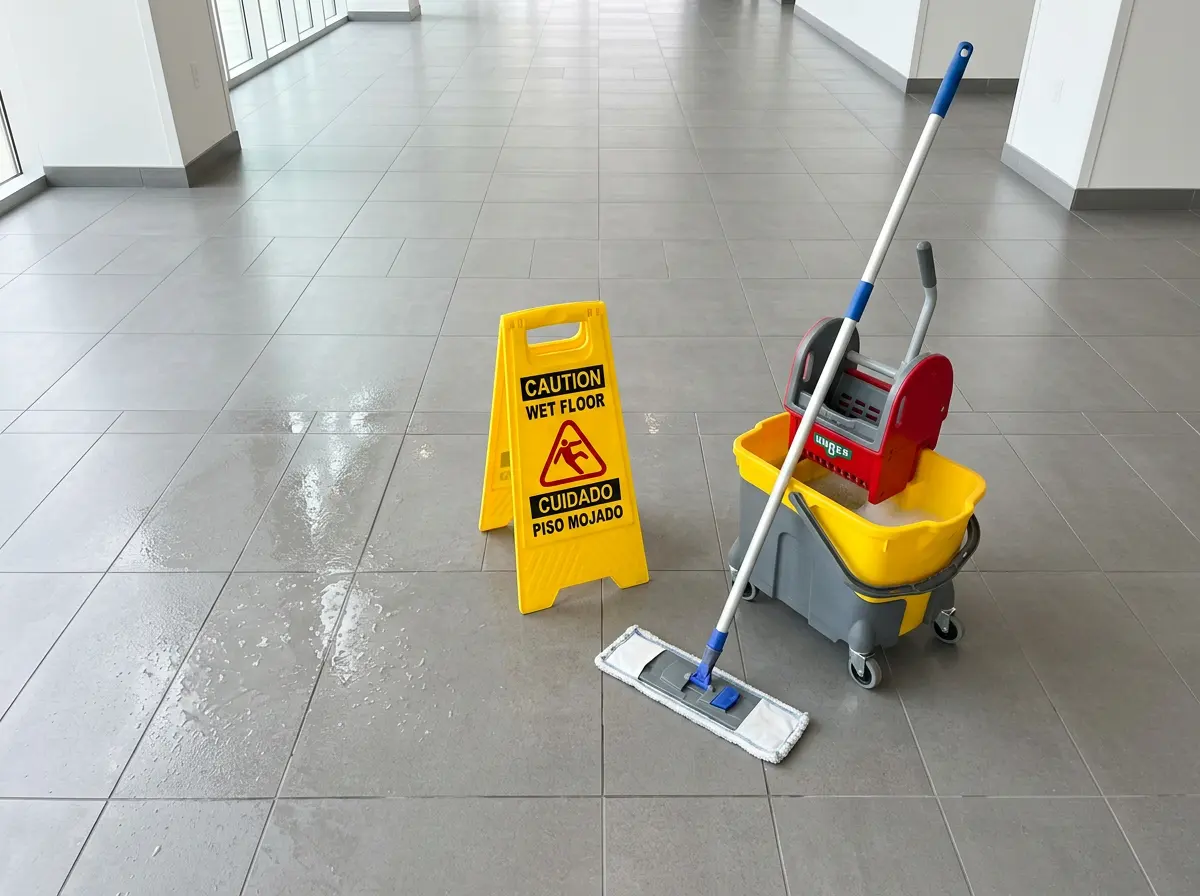
Equipment such as microfiber cloths, color-coded mops, and automated cleaning machines can improve cleaning quality and reduce cross-contamination. For instance, color-coding tools for different areas (e.g., red for bathrooms, blue for patient rooms) prevents the spread of germs between zones.
4. Monitoring and Quality Control
Regular audits and inspections help maintain cleaning standards. Supervisors can use checklists to verify that cleaning tasks are completed correctly and on schedule. Some facilities implement ATP (adenosine triphosphate) testing to measure surface cleanliness quantitatively.
Feedback from patients and staff also provides valuable insights. If patients report dirty rooms or equipment, management can investigate and address issues promptly.
5. Integration with Infection Prevention Programs
Cleaning efforts should align with broader infection prevention strategies. This includes hand hygiene promotion, isolation protocols for infectious patients, and sterilization of medical instruments. Coordination ensures that cleaning supports overall patient safety goals.
Practical Examples of Effective Cleaning Practices
- Isolation Rooms: These require enhanced cleaning frequency and use of stronger disinfectants to prevent the spread of highly infectious diseases. Staff wear personal protective equipment (PPE) during cleaning to protect themselves and avoid contamination.
- Operating Theatres: Cleaning here involves multiple stages, including removal of organic material, disinfection, and air quality control. Strict protocols minimize the risk of surgical site infections.
- Waiting Areas: High traffic areas need frequent cleaning of seating, door handles, and shared surfaces. Using quick-drying disinfectants helps maintain cleanliness without disrupting patient flow.
Challenges and Solutions
Healthcare facilities face challenges such as staff shortages, budget constraints, and resistance to change. Addressing these requires:
- Investment in Training: Prioritize education to empower cleaning teams.
- Efficient Scheduling: Use data to optimize cleaning times without interrupting care.
- Leadership Support: Management must emphasize the importance of cleaning in patient safety.
- Technology Adoption: Tools like UV light disinfection or automated cleaning robots can supplement manual efforts.
Final Thoughts on Maintaining High Cleaning Standards
Exceptional cleaning standards are a cornerstone of patient safety in healthcare facilities. By establishing clear protocols, training staff, using proper products, and monitoring performance, healthcare providers can significantly reduce infection risks. This commitment not only protects patients but also builds trust in the quality of care delivered.
Healthcare leaders should view cleaning as an integral part of clinical care, not just a housekeeping task. Investing in cleaning excellence pays off in healthier patients and safer environments. The next step is to review your facility’s cleaning practices and identify areas for improvement to ensure every patient receives care in a clean, safe space.