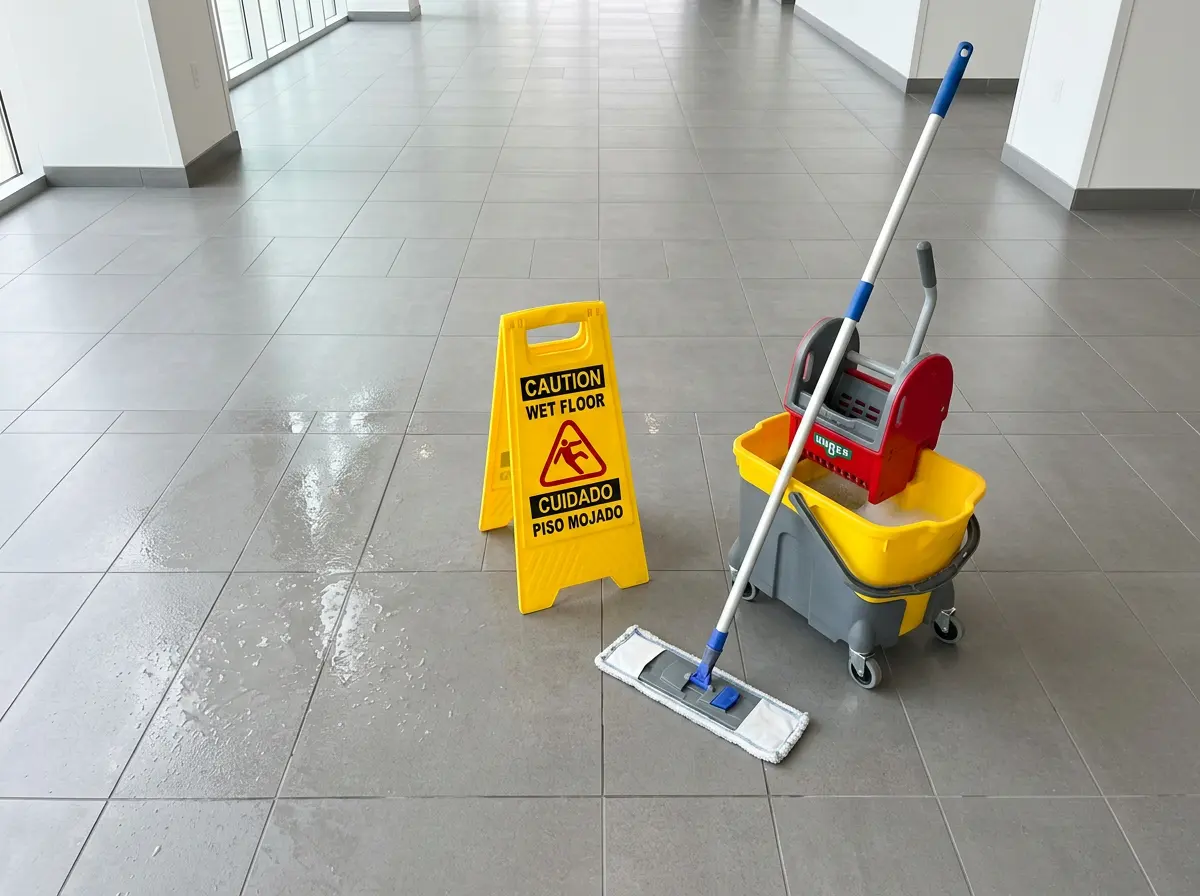
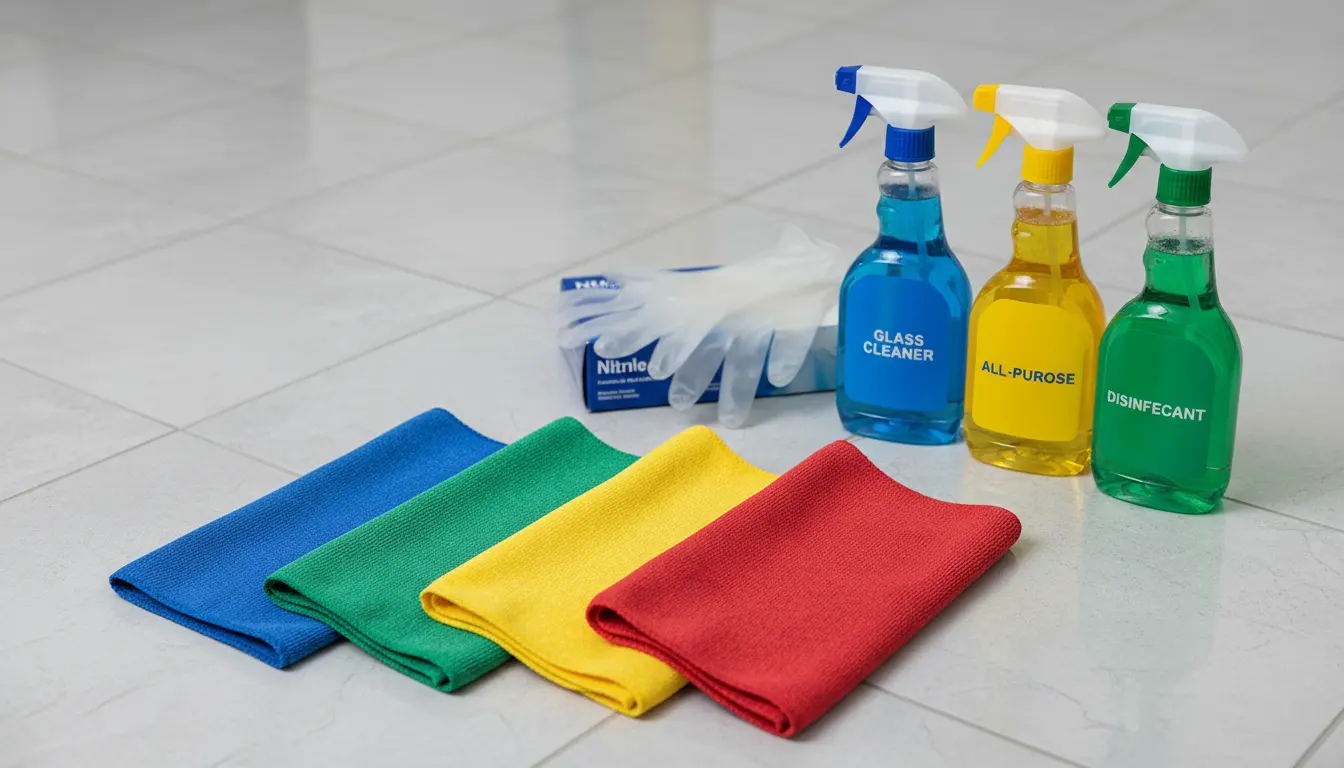
A clean workplace is easy to take for granted until the bins overflow, the kitchen smells stale, or clients notice dust before they notice your service. The question is not whether cleaning matters. It is how often it should happen.
For many businesses, the choice comes down to daily vs weekly office cleaning. Daily cleaning keeps busy spaces fresh and under control. Weekly cleaning can suit quieter workplaces and lower budgets. The best option depends on footfall, staff numbers, hygiene needs, and how your space is used during the week.
What daily office cleaning usually covers
Daily cleaning focuses on the areas that get used, touched, and noticed every day. It keeps standards steady rather than letting mess build up.
A daily office cleaning routine often includes:
- Emptying bins and replacing liners
- Cleaning toilets and washroom touchpoints
- Wiping kitchen surfaces and sinks
- Vacuuming or mopping high-traffic floors
- Sanitising door handles, switches, and shared touchpoints
- Restocking consumables such as soap and toilet roll
- Tidying reception or visitor-facing areas
Daily cleaning is usually best for workplaces with steady footfall. That includes medical clinics, gyms, call centres, shared offices, retail back offices, schools, and offices where staff use the kitchen and toilets throughout the day.
The main benefit is consistency. Staff arrive at a clean space each morning, and small issues are dealt with before they become obvious.
Daily cleaning is less about doing everything every day. It is about keeping the essentials under control.
What weekly office cleaning usually covers
Weekly cleaning suits spaces that stay relatively tidy between visits. It often includes many of the same tasks as daily cleaning, but done less frequently and sometimes in more depth.
A weekly service may include:
- Vacuuming all floor areas
- Mopping hard floors
- Cleaning washrooms
- Wiping desks, ledges, and surfaces where agreed
- Emptying bins
- Cleaning internal glass
- Dusting accessible areas
- Kitchen cleaning
Weekly cleaning can work well for small offices with only a few staff, hybrid workplaces with low occupancy, or premises that do not welcome many visitors.
The trade-off is simple. A weekly clean can leave the place looking good after the cleaner has visited, but standards may dip before the next visit. This is especially true in kitchens, toilets, and bin areas.
How to Decide Which Daily vs Weekly Office Cleaning Schedule Fits
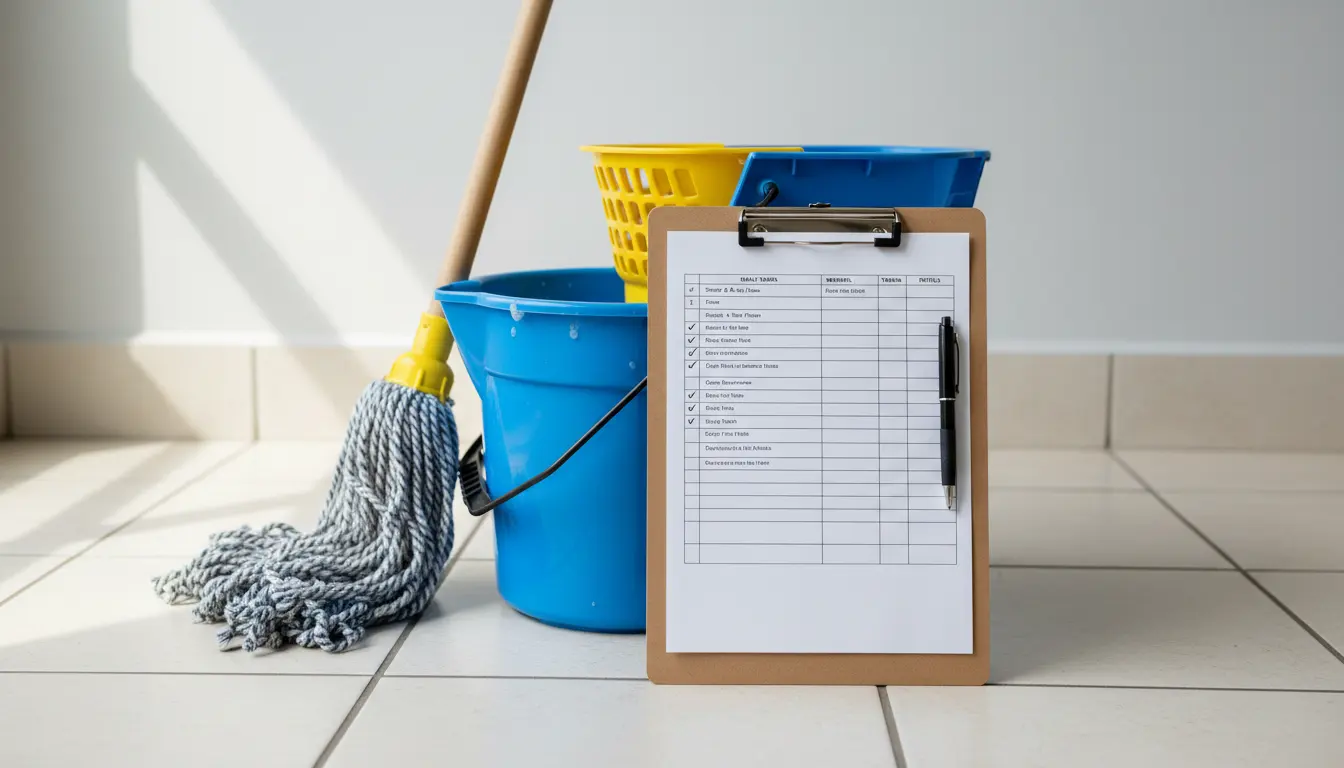
The right schedule is usually clear once you look at how the workplace is used. A quiet office with three people does not need the same routine as a busy site with staff, visitors, deliveries, and shared facilities.
Use these factors to guide the decision.
Factor
Daily cleaning may suit
Weekly cleaning may suit
Staff numbers
Medium to large teams using the space every day
Small teams or low occupancy
Visitors
Regular clients, patients, suppliers, or members of the public
Few or no visitors
Washrooms
Used heavily throughout the day
Light use only
Kitchen areas
Shared by many staff
Used rarely or kept tidy by staff
Industry
Healthcare, childcare, retail, hospitality, shared workspaces
Small admin offices, low-traffic studios, private rooms
Budget
Higher monthly cost, steadier standard
Lower monthly cost, more visible build-up between visits
A good middle ground is also possible. For example, a business might book daily cleaning for toilets, kitchens, bins, and touchpoints, with deeper vacuuming and dusting once or twice a week.
This works well when some areas get heavy use, and others stay quiet. It keeps the cleaning budget focused where it matters most.
When daily cleaning is the better choice
Daily cleaning is the safer option when mess or hygiene issues become noticeable within a single working day.
It is usually the better choice if:
- Bins fill up quickly
- Toilets need attention before the end of the day
- Staff regularly use a shared kitchen
- Clients or visitors judge the space on appearance
- Floors show dirt, crumbs, or wet marks quickly
- The workplace has allergy, hygiene, or infection-control concerns
- Cleaning complaints happen more than once
Daily cleaning can also support staff morale. People notice when a workplace is cared for. Clean toilets, fresh-smelling kitchens, and tidy shared areas send a clear message that standards matter.
That does not mean every surface needs daily attention. A good cleaning plan separates daily essentials from weekly detail work. This keeps the service practical and avoids paying for tasks that are not needed every day.
When weekly cleaning makes more sense
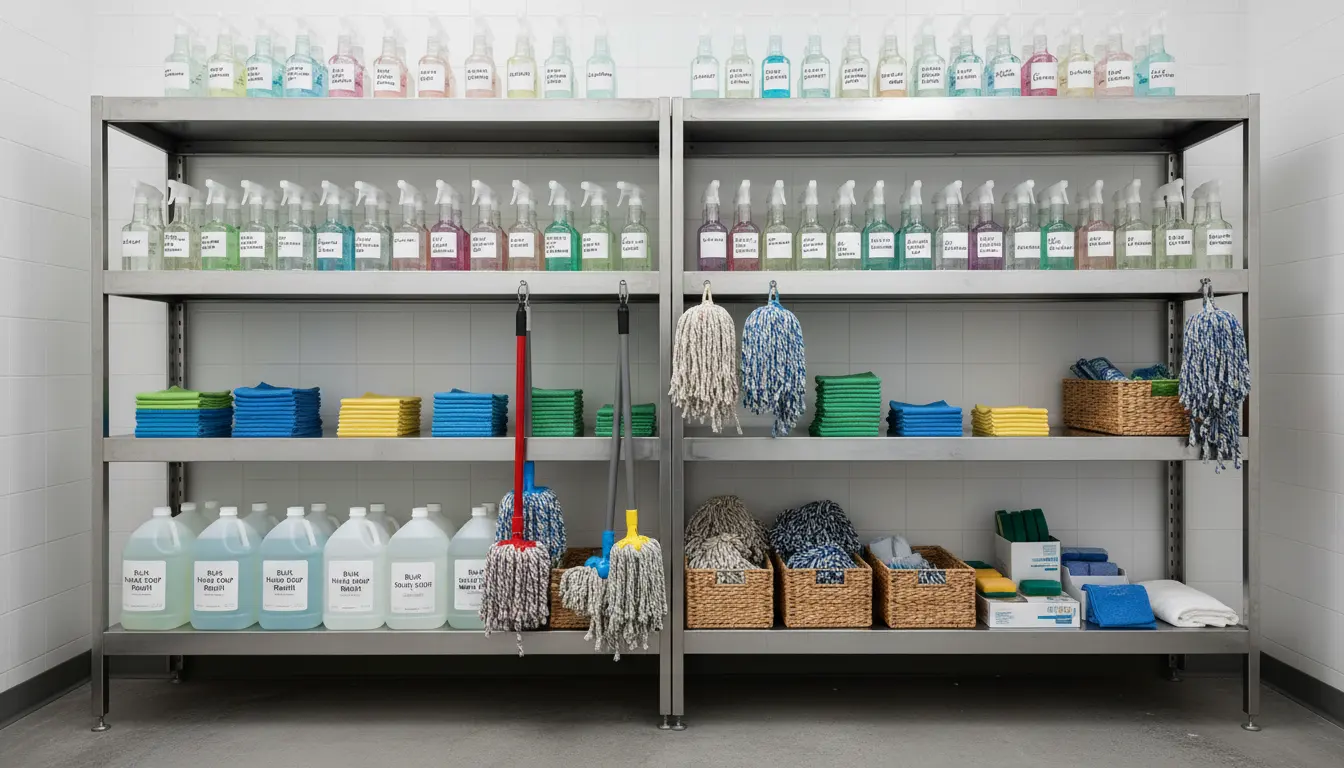
Weekly cleaning can be the right choice when the space stays clean between visits and staff take responsibility for small daily tasks.
It may suit businesses where:
- Most staff work from home several days a week
- The office is small and lightly used
- Visitors rarely enter the premises
- Staff empty small bins or tidy the kitchen themselves
- Washrooms are used by only a few people
- Budget is the main constraint
The key is honesty. If the kitchen is unpleasant by Wednesday or floors look poor after two days, weekly cleaning is probably not enough.
Weekly cleaning also works better when there are clear house rules. Staff should know who loads the dishwasher, wipes spills, takes personal items from desks, and reports supply shortages. Without this, the cleaner spends time tidying rather than cleaning.
Weekly cleaning is cost-effective only when it still protects the standard of the workplace.
The hidden cost of cleaning too little
Choosing the cheapest schedule can cost more in the long run. Dirt that sits for days becomes harder to remove. Dust builds up. Washroom odours linger. Carpets and hard floors can wear faster when grit is not removed often.
There is also a reputational cost. A client may not mention a dirty toilet or sticky floor, but they will remember it. Staff may also feel less comfortable using shared spaces that are not cleaned often enough.
A practical cleaning schedule prevents problems before they need extra work. That usually means combining routine cleaning with periodic deeper tasks such as carpet cleaning, floor scrubbing, high dusting, and internal glass cleaning.
The best choice is the one that matches your workplace
Daily cleaning is best for busy workplaces, shared facilities, visitor-facing premises, and any space where hygiene standards need constant attention. Weekly cleaning is best for smaller, quieter workplaces that stay tidy and do not have heavy daily use.
If the answer is not obvious, start with a simple audit. Look at bins, toilets, kitchen surfaces, floors, and shared touchpoints at the end of each day for one week. If these areas look poor before the next scheduled clean, increase the frequency or split the plan by area.
The smartest cleaning schedule is not always the most frequent one. It is the one that keeps the workplace clean, safe, and presentable without wasting money on tasks that do not need daily attention.
Visit our page to learn more about Daily vs Weekly Office Cleaning, or book a professional cleaning service with Effective Cleaning Services today.