
Keeping a business space clean is essential for health, safety, and creating a positive impression. Choosing the right cleaning plan can be challenging. Should you opt for daily cleaning or stick to a scheduled routine? This decision depends on several factors including the type of business, foot traffic, and budget. This post explores the differences between daily and scheduled cleaning to help you find the best fit for your business needs.
Understanding Daily Cleaning
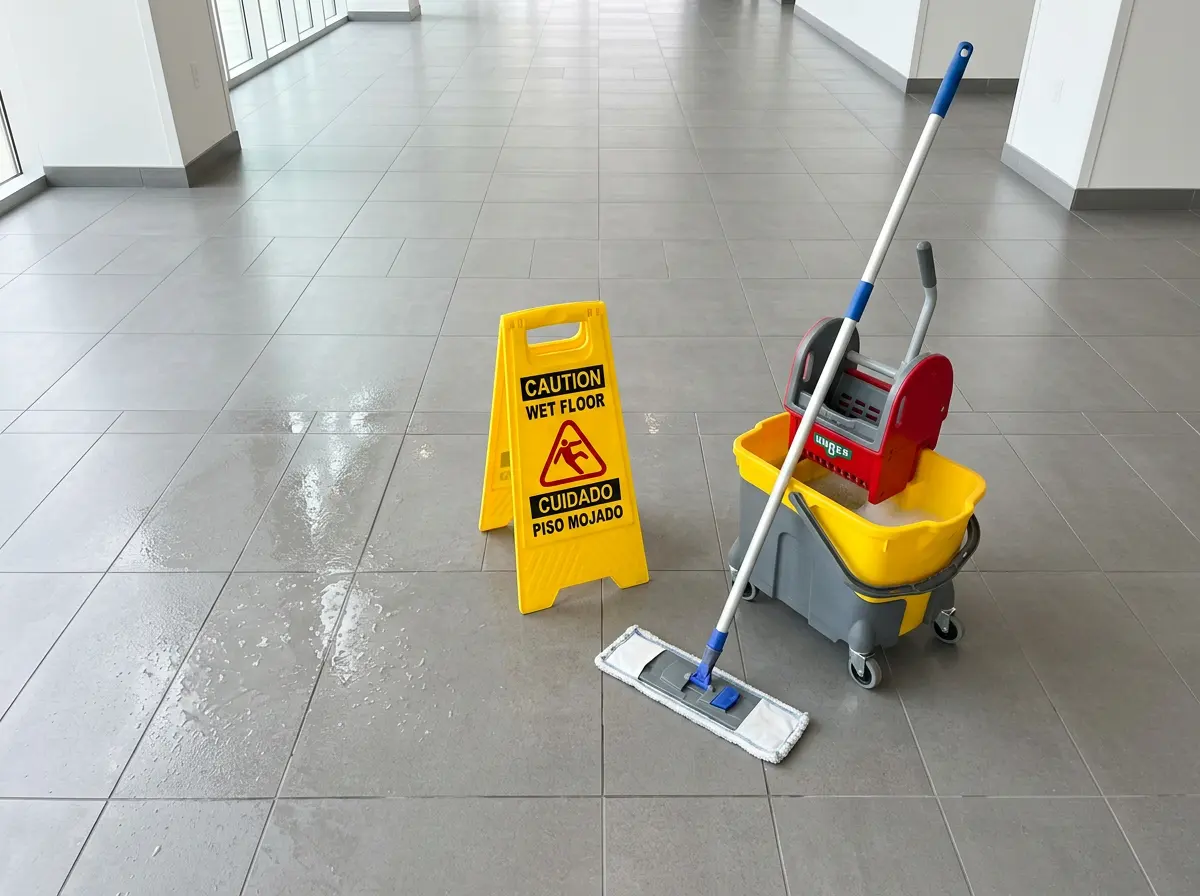
Daily cleaning means that cleaning tasks are performed every day, often after business hours or during low-traffic periods. This approach ensures that the workspace remains consistently clean and hygienic.
Benefits of Daily Cleaning
- Consistent Cleanliness
Daily cleaning keeps surfaces, floors, and restrooms spotless, reducing the buildup of dirt and germs.
- Improved Health and Safety
Regular cleaning lowers the risk of illness by removing bacteria and viruses, which is especially important in healthcare, food service, and childcare businesses.
- Better Impressions
A clean environment every day creates a welcoming atmosphere for customers and employees.
When Daily Cleaning Works Best
- Businesses with high foot traffic such as retail stores, restaurants, and gyms
- Facilities that require strict hygiene standards like medical offices and laboratories
- Workplaces where spills or messes happen frequently, such as manufacturing plants
What Scheduled Cleaning Means
Scheduled cleaning involves setting specific days or times for cleaning tasks, such as twice a week or once every weekend. This plan focuses on maintaining cleanliness without the daily commitment.
Advantages of Scheduled Cleaning
- Cost-Effective
Cleaning less frequently reduces labor and supply costs, which can be important for small businesses or those with tight budgets.
- Flexible Timing
Businesses can choose cleaning times that minimize disruption, such as weekends or after hours.
- Targeted Cleaning
Scheduled cleaning allows focus on deep cleaning tasks that don’t need daily attention, like carpet shampooing or window washing.
Best Fit for Scheduled Cleaning
- Offices with low daily foot traffic
- Businesses with limited budgets that still want regular maintenance
- Locations where cleanliness is important but daily cleaning is not critical, such as warehouses or storage facilities
Factors to Consider When Choosing Your Cleaning Plan
Business Type and Activity Level
The nature of your business greatly influences cleaning needs. For example, a busy café will require daily cleaning to manage spills and waste, while a small office might only need cleaning a few times a week.
Health and Safety Regulations
Some industries have strict cleaning standards. Food preparation areas and healthcare facilities often must follow guidelines that require daily sanitation.
Budget Constraints
Daily cleaning costs more due to labor and supplies. Scheduled cleaning can save money but might not meet hygiene needs if done too infrequently.
Customer and Employee Expectations
A clean environment affects satisfaction and productivity. Consider how often your customers and staff expect the space to be cleaned.
Size and Layout of the Space
Large or complex spaces may need more frequent cleaning to cover all areas effectively.
Examples of Cleaning Plans in Different Businesses
- Retail Store: Daily cleaning of floors, counters, and restrooms to maintain a fresh shopping environment. Scheduled deep cleaning monthly for carpets and windows.
- Corporate Office: Scheduled cleaning three times a week focusing on desks, common areas, and restrooms. Daily spot cleaning by employees for trash and spills.
- Restaurant: Daily cleaning of kitchen, dining area, and restrooms to meet health codes. Scheduled deep cleaning weekly for kitchen equipment and ventilation.
- Warehouse: Scheduled cleaning twice a week to manage dust and debris. Daily safety checks by staff to keep aisles clear.
Tips for Implementing Your Cleaning Plan
- Communicate clearly with your cleaning team about expectations and schedules.
- Monitor cleaning quality regularly and adjust frequency if needed.
- Use checklists to ensure all areas are covered consistently.
- Consider seasonal changes or special events that may require extra cleaning.
- Invest in quality cleaning supplies and equipment to improve efficiency.